The right summer backyard idea depends on whether you have $20 or $800 and whether you own tools or rent them once.
A $25 strand of string lights shifts the mood of a patio after dark, but a $1,100 pergola with shade cloth only makes sense if you sit outside at 4 PM, not 10 AM.
Most of these projects fail on measurement: 6–8 feet between face-to-face chairs, 18 inches from arm to side table, 12 feet between hammock anchors exactly.
1. Cozy Conversation Area
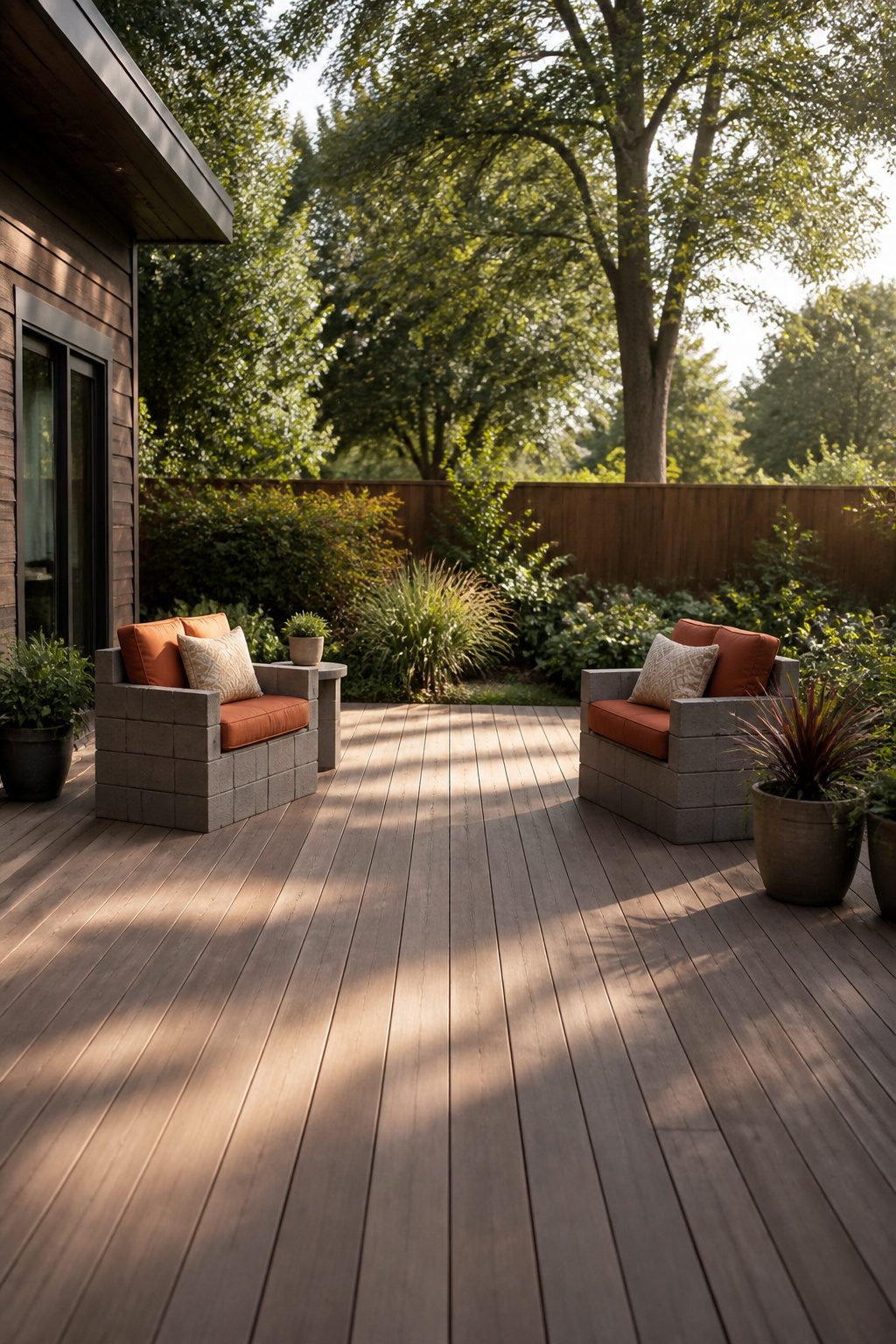
A conversation area fails when people sit too far apart to talk without raising their voices or too close to stretch their legs.
The seating needs 6–8 feet of gap between face-to-face chairs; inside that window, voices stay normal and nobody crowds their knees.
Side tables belong within 18 inches of the seat arm, close enough that someone can pick up a drink without leaning or asking someone else to pass it.
The budget version uses concrete blocks run two high for legs, a plywood slab across, and an outdoor foam cushion on top.
Pallets work the same way if you break them down for a bench frame, though the slat spacing matters; half-inch gaps let the cushion sag through by August.
I priced the block version last spring at about forty dollars before fabric, and the cushions lasted one season in Oklahoma sun.
Replacement foam costs more than the frame, so buy it once from an upholstery supplier rather than twice from a big-box store.
2. Outdoor Lighting
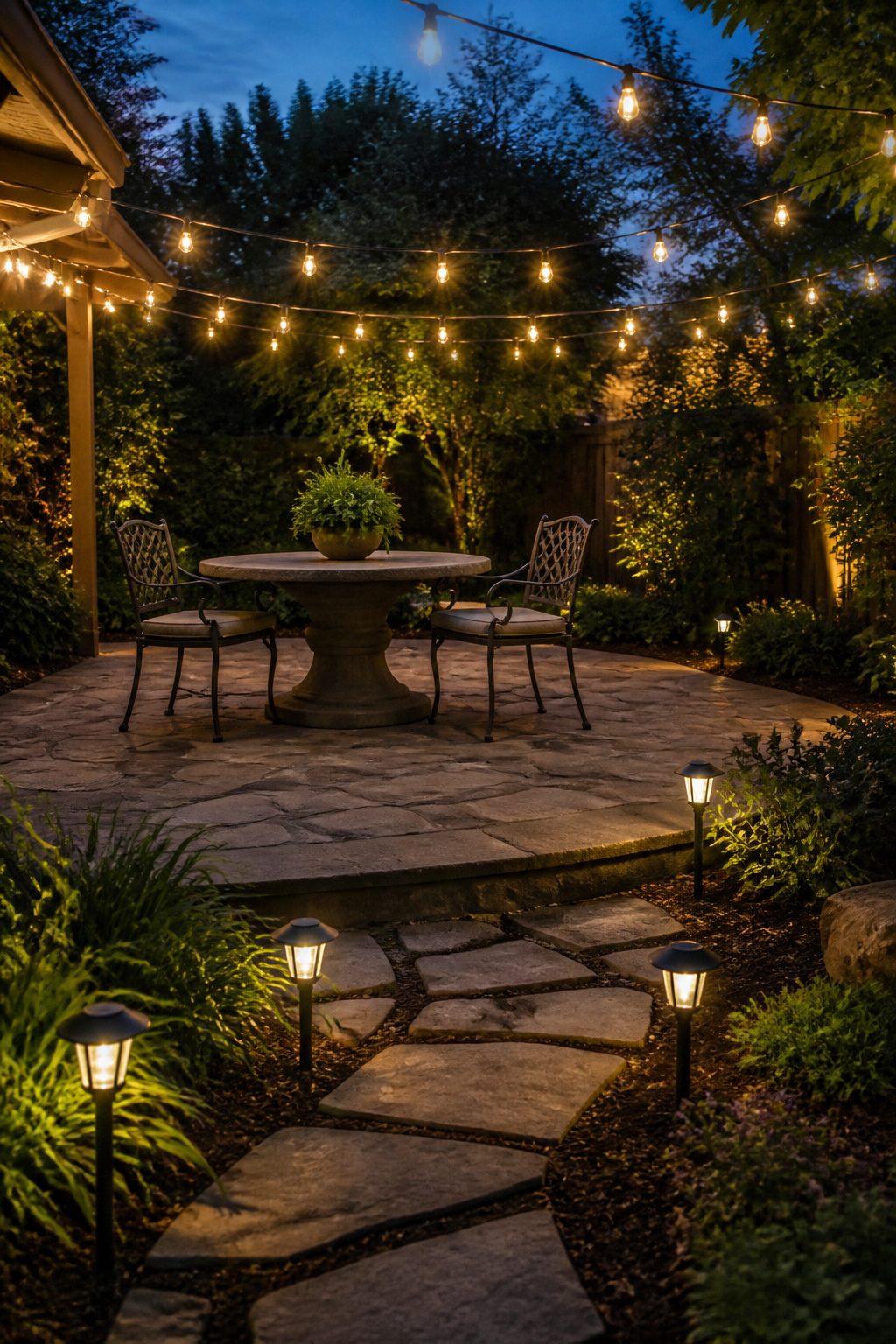
Overhead string lights carry most of the mood work in a small backyard. One strand across the patio gives enough glow to keep a conversation going past dark without turning the space into a parking lot.
Path lighting covers the safety piece, and the solar sets running $15–$40 handle a narrow walkway or the edge of a deck withoutnew wiring.
I learned the bulb temperature lesson the hard way: anything below 2700K reads as amber and pulls in every moth and mosquito for two yards around. I swapped to 3000K and sat outside without the swarm.
Task light needs its own switch. A small clip lamp or a battery-powered sconce where you prep food or try to read keeps the overhead lights from fighting each other.
I put a smart plug on the string circuit last season. Now the whole system follows sunset, and I stopped making that pointless walk outside at 10 pm to flip things off manually.
3. Fire Pit
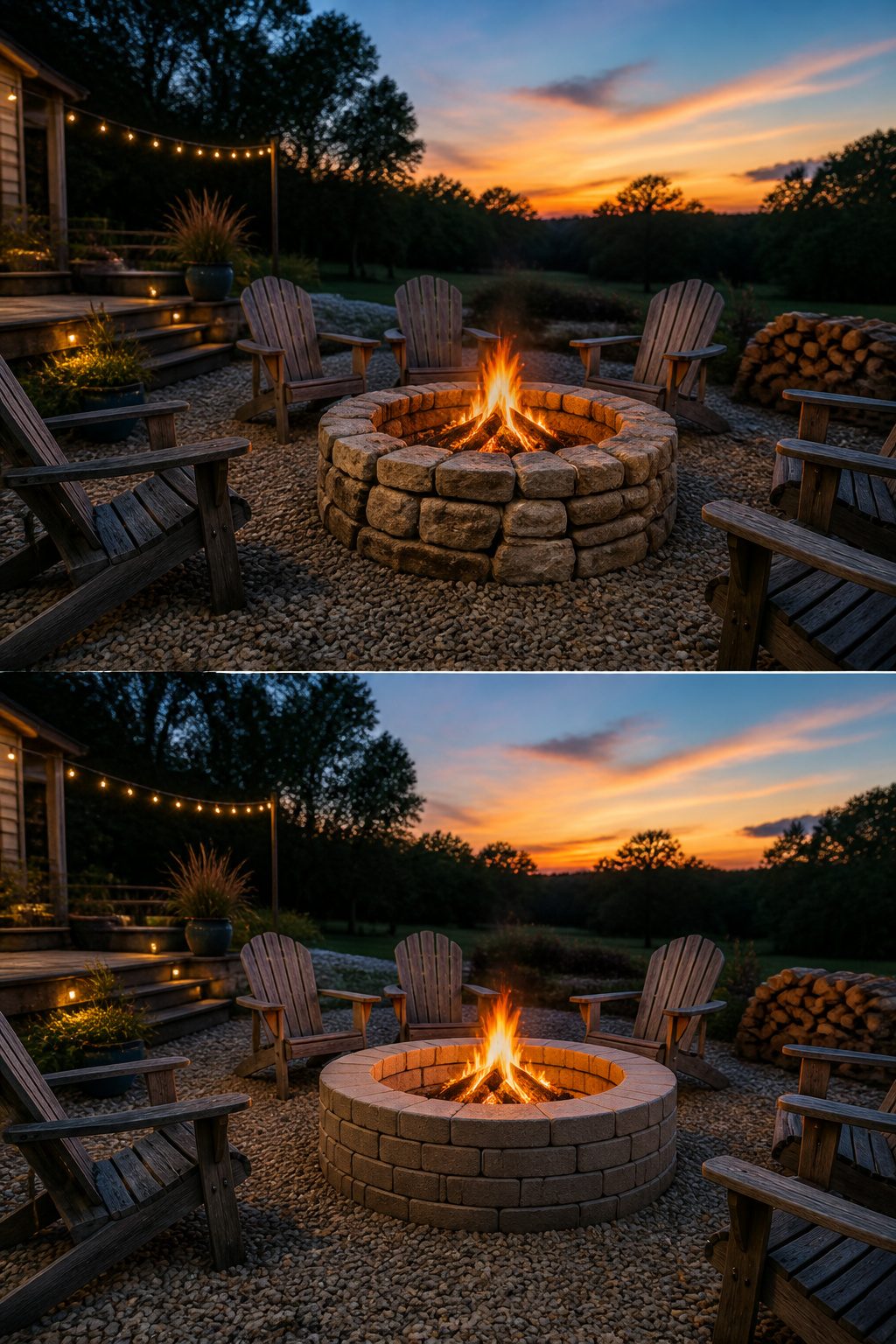
A fire pit draws people in the way actual campfires have for millennia, and in a small yard it becomes the room you did not otherwise have.
The choice that matters first is less than $100 for a DIY ring against five hundred dollars or more for a pre-fab bowl.
I find the gap hard to justify. Stones or simple brick stacked in an afternoon give you the same pull-up-a-chair focal point, and the sources quoting completed DIY projects under $100 match what the materials actually cost at a big-box store.
Wood versus gas is where evening math gets honest. A propane refill runs more per burn than split hardwood if you have a cheap local source, but gas lights in seconds and kills no mosquitoes with shifting smoke.
That smoke point matters more than fuel cost. The mistake I notice in too many layouts, including how I nearly laid out my own, is placing the pit where prevailing breeze pushes smoke directly across the seats.
Ten feet of clearance from structures and overhangs is the usual rule, and checking local burn bans before Saturday is just part of the season now, same as frost dates.
4. Hammock
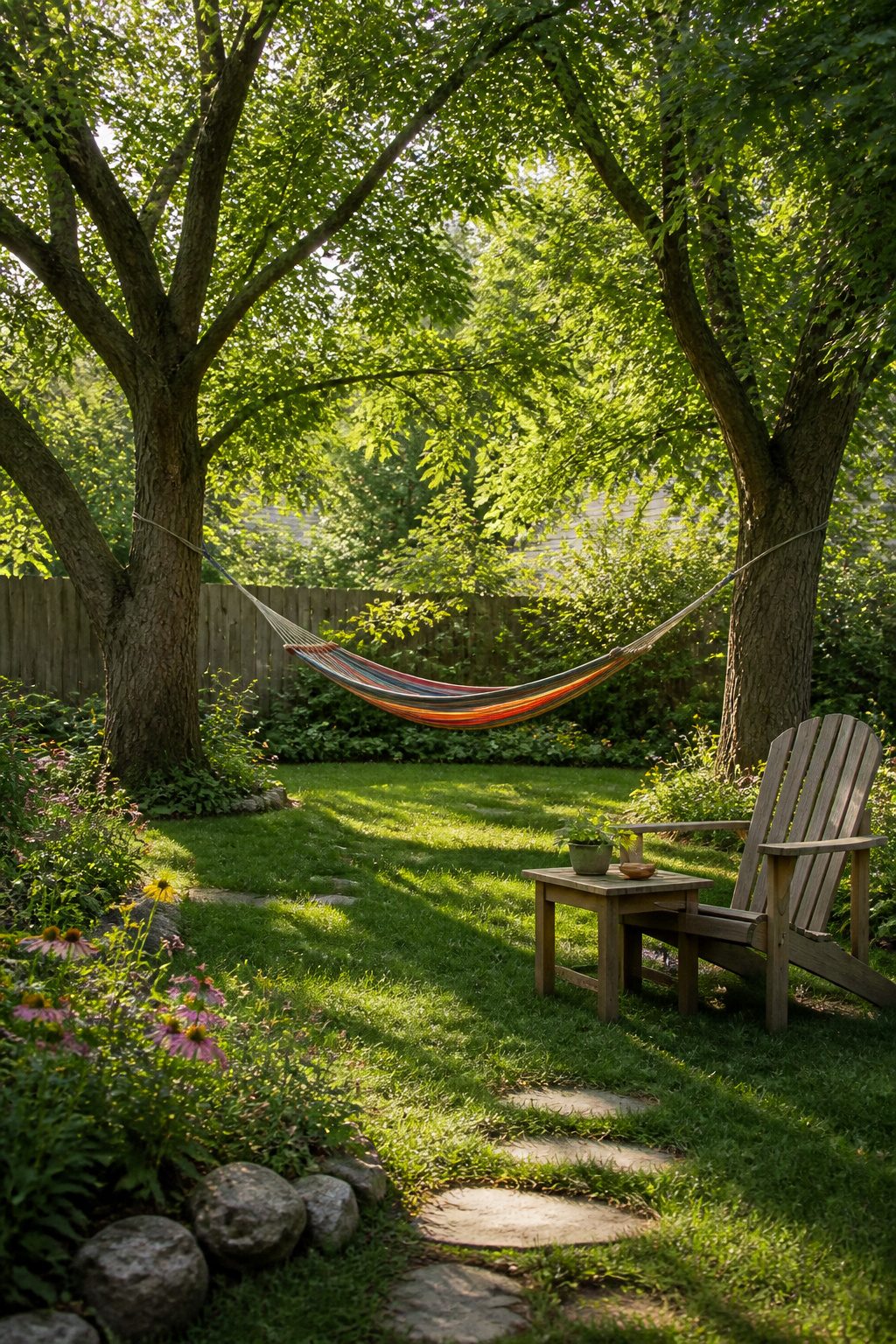
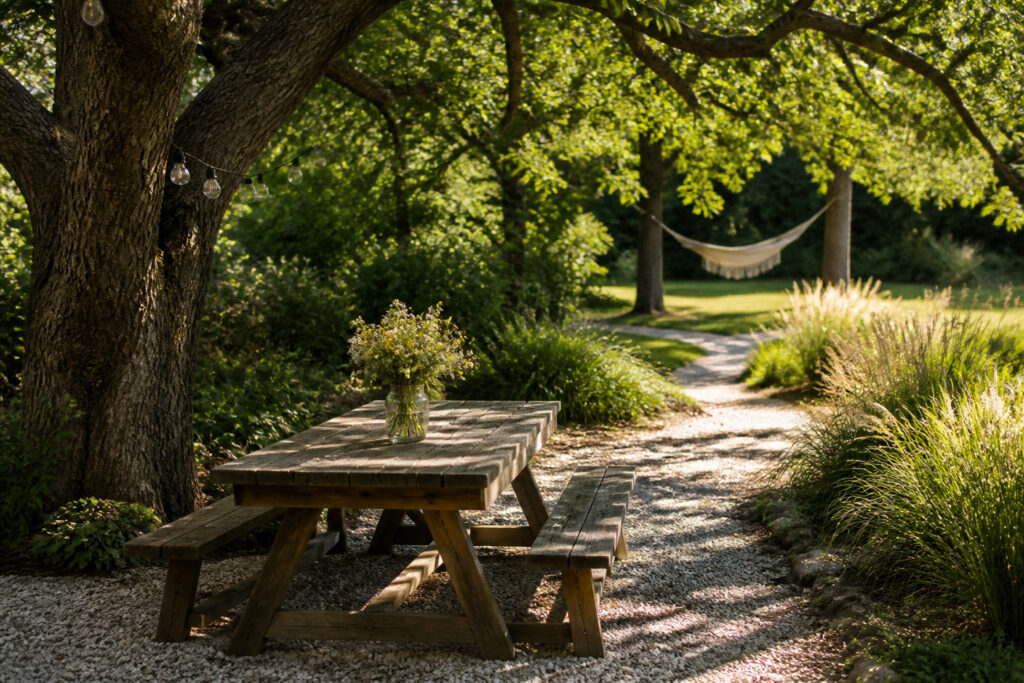
A hammock looks effortless until the straps bite into bark thin enough to split. An eight- to ten-inch branch diameter minimum keeps the anchor from stripping under load; anything narrower flexes too much and cracks by August.
The straps themselves need width, two inches or better, to spread pressure so the tree survives more than one season.
Distance matters more than most guess. Twelve feet between anchors gives the sag a hammock needs; at ten feet you’re fighting it, and at fourteen the curve drops too deep.
The mistake most people make is the tension. String it tight like a clothesline and it flips the moment you shift your weight.
Leave it too loose and the center sags to ground level before you settle in. You want a smile-shaped curve with the lowest point about hip-high when empty.
Price runs from $25 for basic woven cotton with rope ends to around $80 for a double-width gathered-end with tree straps included. The difference is weight capacity and whether the fabric breathes in humid evenings.
My first was cheap Mexican cotton that mildewed after one wet July; the polyester lasted four years but slept hotter. Spend where your climate hurts most.
5. Container Garden
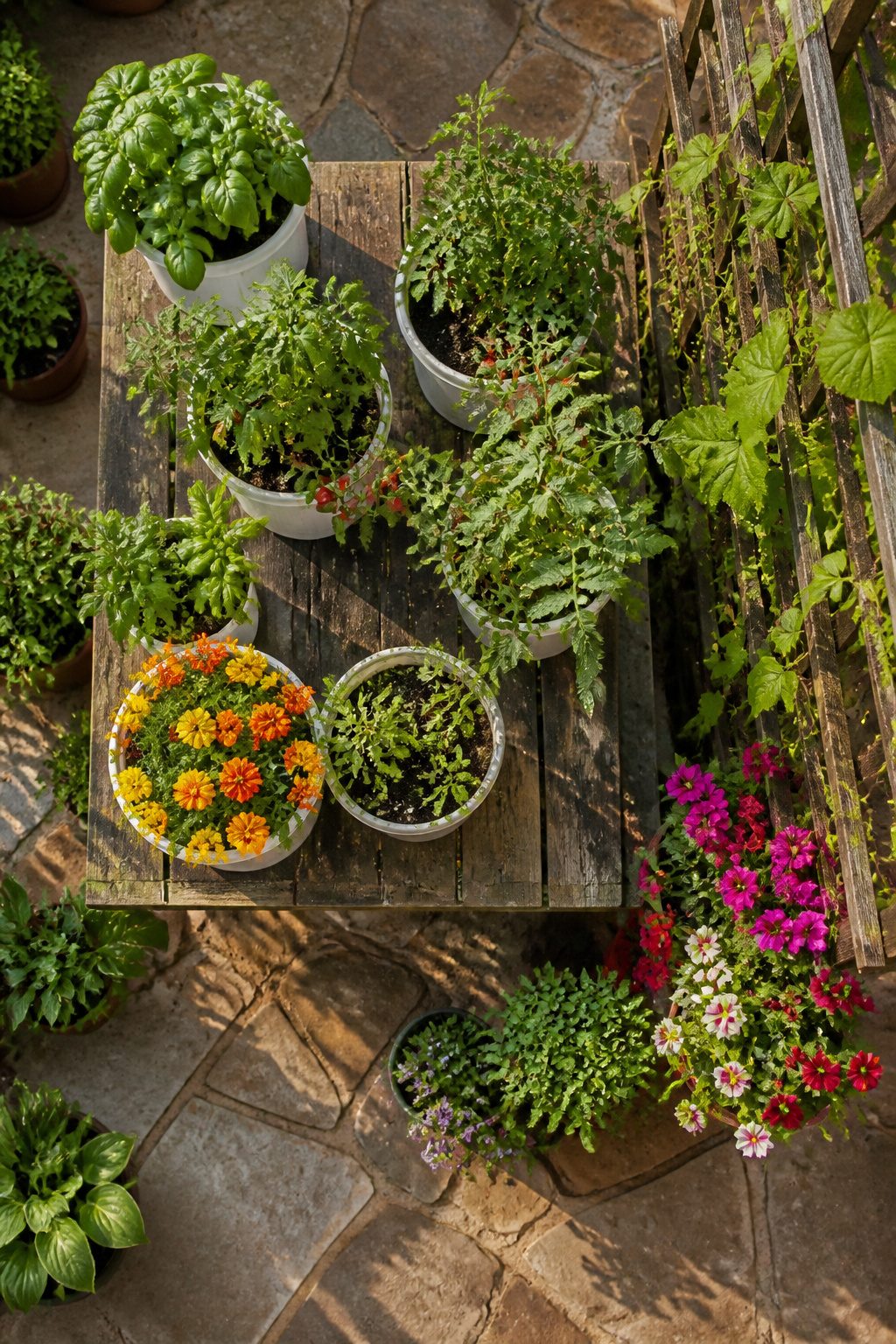
A container garden is the fastest way to turn a patio or balcony into something that feels like a backyard.
Last year I watched three tomato plants rot in July because I drilled one drainage hole in a 5-gallon bucket instead of four, and water pooled while I was at work.
Holes around the bottom edge, not the center, let the roots breathe.
Five-gallon buckets with drainage holes drilled at home cost the price of the bucket. The soil is where the money goes, and the difference matters less than the label claims.
The $8 bag of all-purpose from the hardware store performed the same as the $25 boutique blend in every container I ran side by side. Both dried out fast in afternoon sun, both needed the same watering schedule.
For plants that survive the zone without coddling, swamp rose handles wet feet and humid nights, passionflower climbs a tomato cage and draws Gulf fritillaries, American wisteria stays manageable unlike its Asian cousins, and purple Louisiana iris tolerates the bucket life better than bearded types that need drier crowns.
These natives do not ask for the spray schedule that hydrangeas demand.
The single best move is lifting the pot.
A bucket that feels heavy three days after watering still holds water somewhere. That weight is the rot warning you feel with your hands before your eyes see it.
6. Outdoor Dining Area
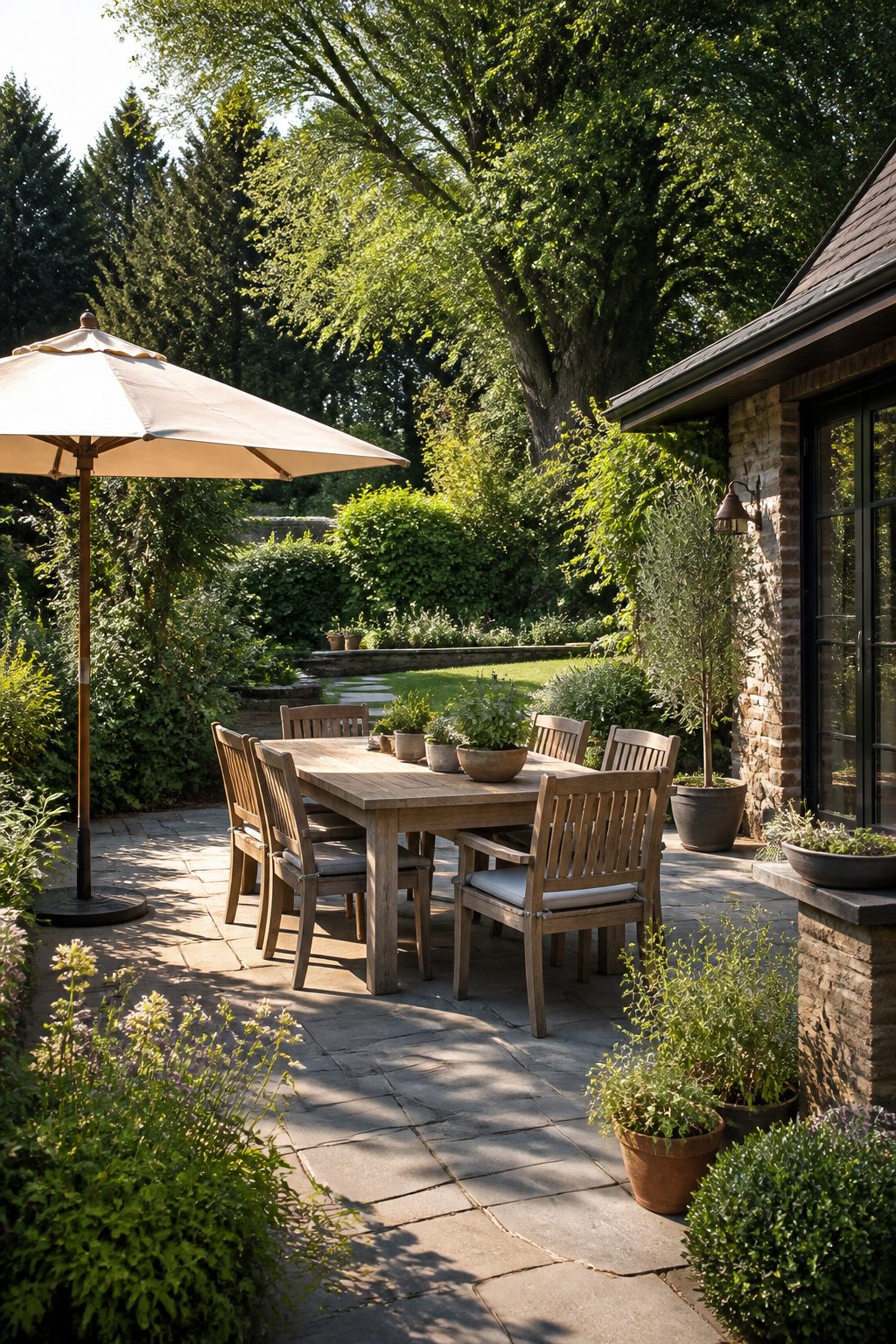
A four-person table needs 36 inches of run per diner, stretched to 48 if you actually plan to pass the potato salad instead of handing plates.
Reach wider and the chairs stop fitting between the legs; most patios I have paced out top out at 48 by 84 inches for comfortable circulation on three sides.
Wood takes two coats of oil that first year and another every spring after, or it splinters.
Metal sits hot enough to sear a forearm in July sun. Composite stayed doubled in price the last time I priced it out.
The folded-pairing table looks flimsy in the aisle, but a six-footer broken in half stores flat behind the raised-bed tomatoes by August when the yard pivots back to harvest.
I skipped the umbrella hole once, thinking a pop-up canopy solved afternoon glare, and spent two seasons restaking it every time the wind came up. drilled center pole is not optional.
7. Shade Solutions
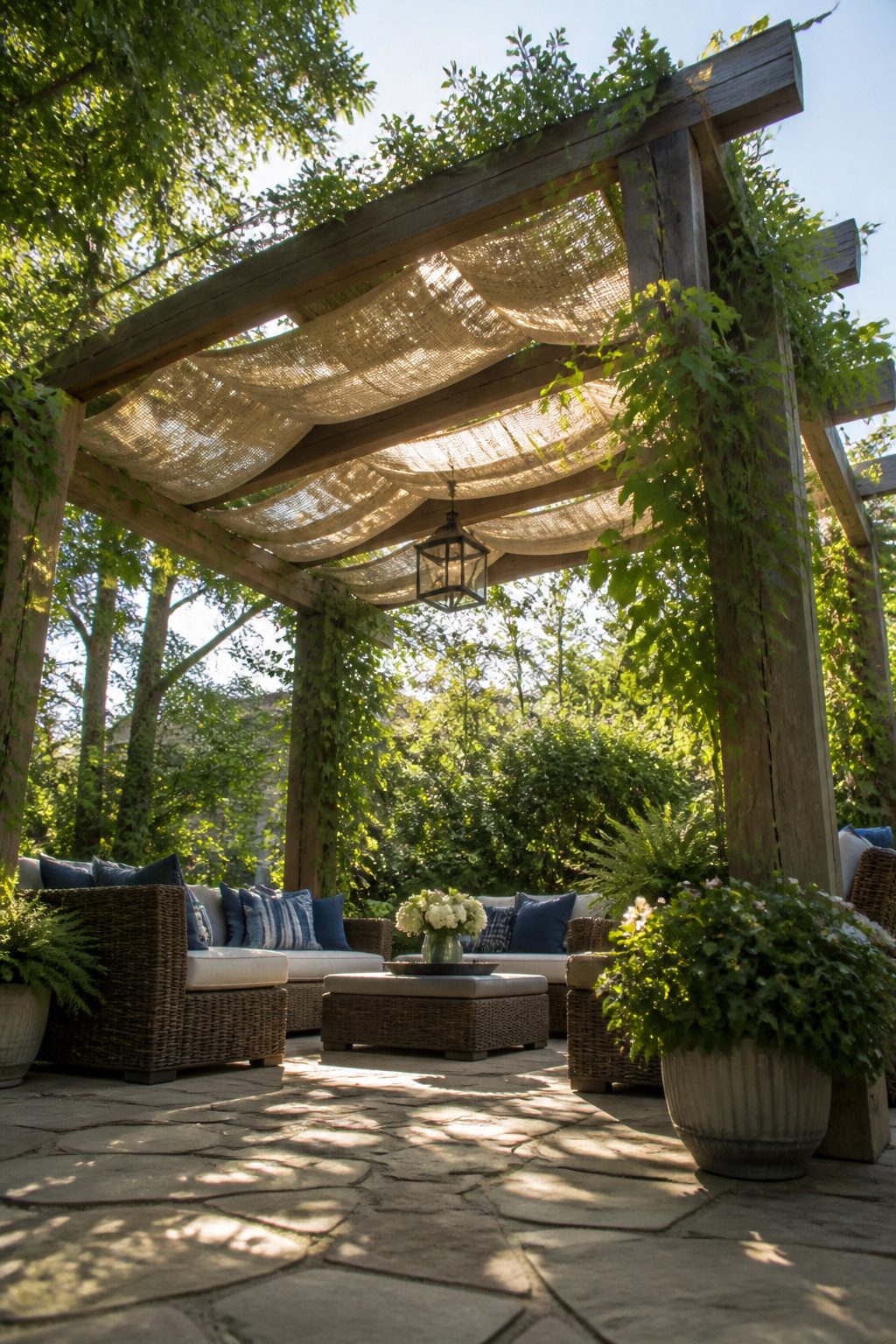
Shade that actually works starts with mapping when you sit outside, not where the sun is at breakfast.
I learned this after building a pergola that threw a perfect shadow at 10 AM, when I was still inside, and missed me entirely at 4 PM when I finally carried out my coffee.
Place shade for the hour you will use it, which for most people is late afternoon.
The DIY route I ended up rebuilding cost about $1,100 total: $800 for Toja Grid hardware and roughly $300 for lumber. On top I tried 30% shade cloth first, which lets enough light through to keep the space from feeling like a garage.
A solid roof blocks more heat but turns the area dim by evening, so the cloth won the second summer.
Before that I burned through a shade sail that sagged after one season of tension and wind, and a cantilever umbrella that went over at 20 mph.
The umbrella is fine if you treat it like a beach chair, something to collapse and carry in. For something fixed, the pergola with cloth has stayed up three years now.
8. Decorative Elements
The five-dollar ceramic owl I found at a yard sale in Tulsa lasted one freeze before its wing cracked clean off. That is the weather reality of garden art.
Metal rusts, ceramic cracks, plastic fades to chalk. A thrift store find you love enough to carry home runs $5–25, which is precisely the range where loss feels irritating but not devastating.
I go single-statement now: one good piece where the light catches it, not a yard that looks like a gift shop exploded.
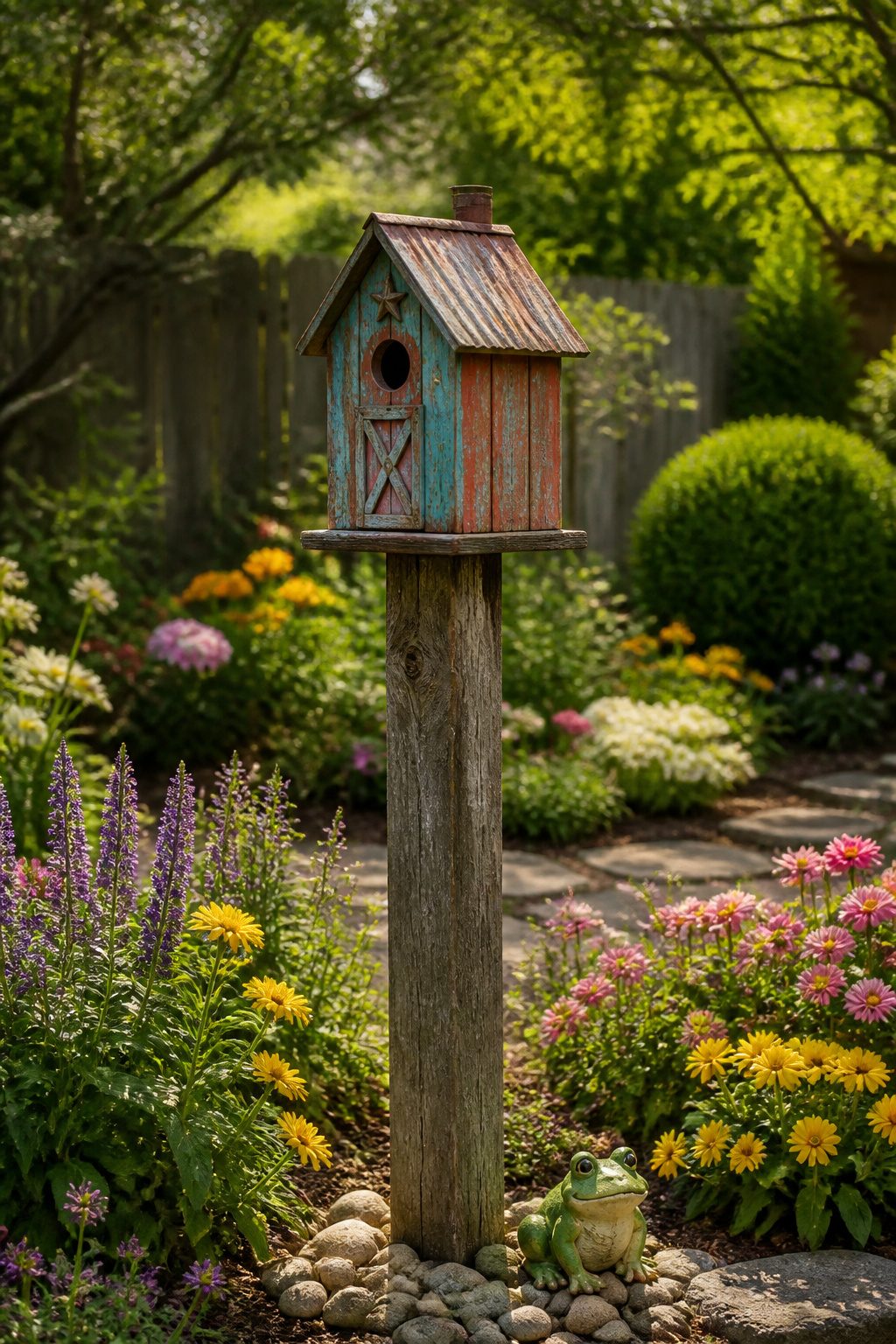
Birdhouses earn their place because something actually moves in. Mount them 5–10 feet up, entrance facing east-northeast to shield prevailing winds and catch morning sun.
Wrens found mine within a week. The rest I keep spare and let weather do what it does.
9. Water Features
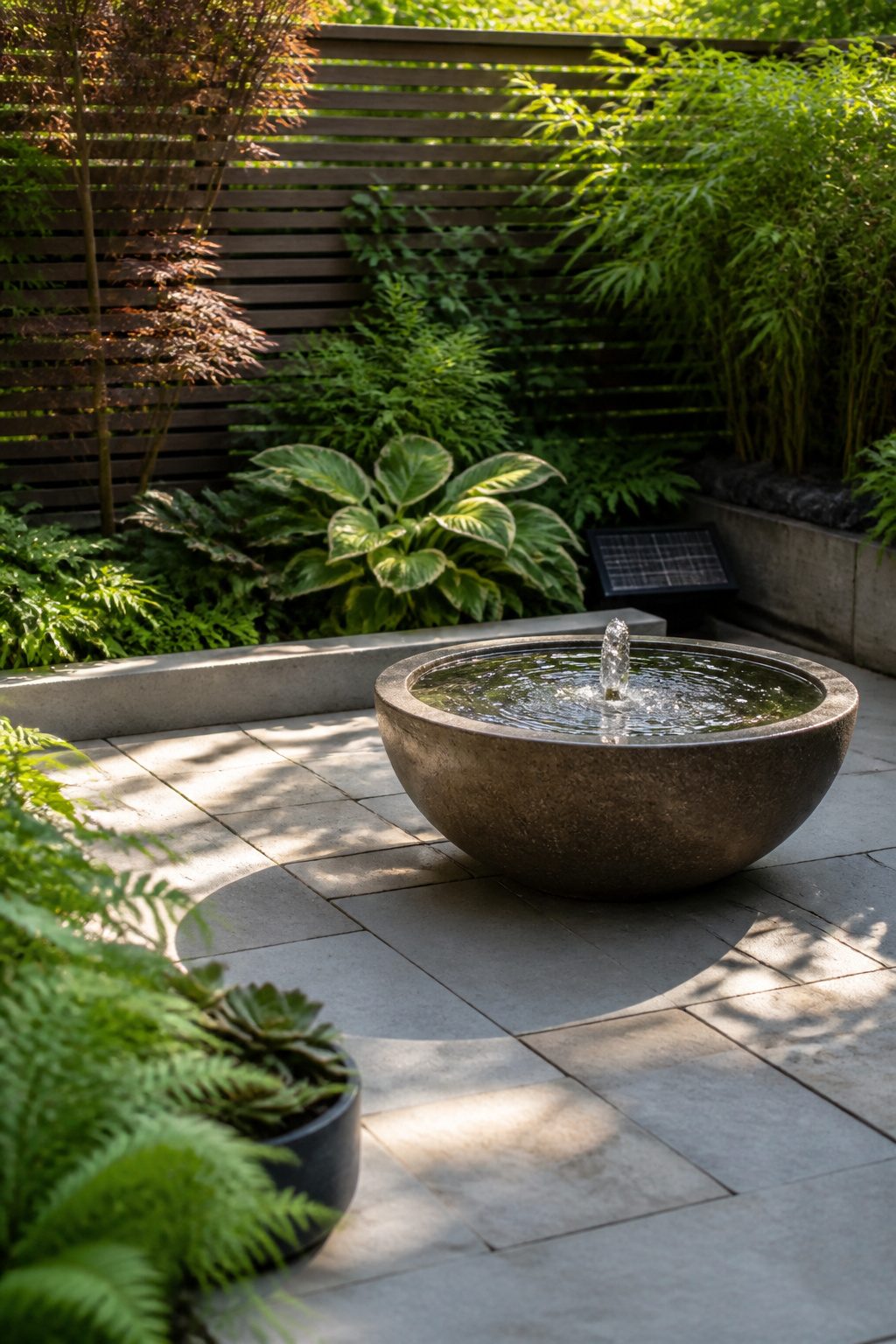
A bowl fountain for $80 sits on a level paver and runs off a solar pump. Clouds kill the spray dead, and you learn to expect the silence.
The sound, when sun hits the panel, needs hitting one register above your street traffic but below the pitch of talking over a running faucet. Miss that balance and you either hear every car or you shout at guests.
A buried pond liner near $300 holds more water, which means standing water, which means mosquitoes in July unless you stock it fast or run a pump round the clock.
Electricity for that pump costs more than the liner sticker tells you.
Neither version survives a freeze full. Drain it before the first hard frost or the basin cracks somewhere you cannot see, and you find the break in April when the mud thaws and the thing you moved once moves twice.
10. Lawn Games
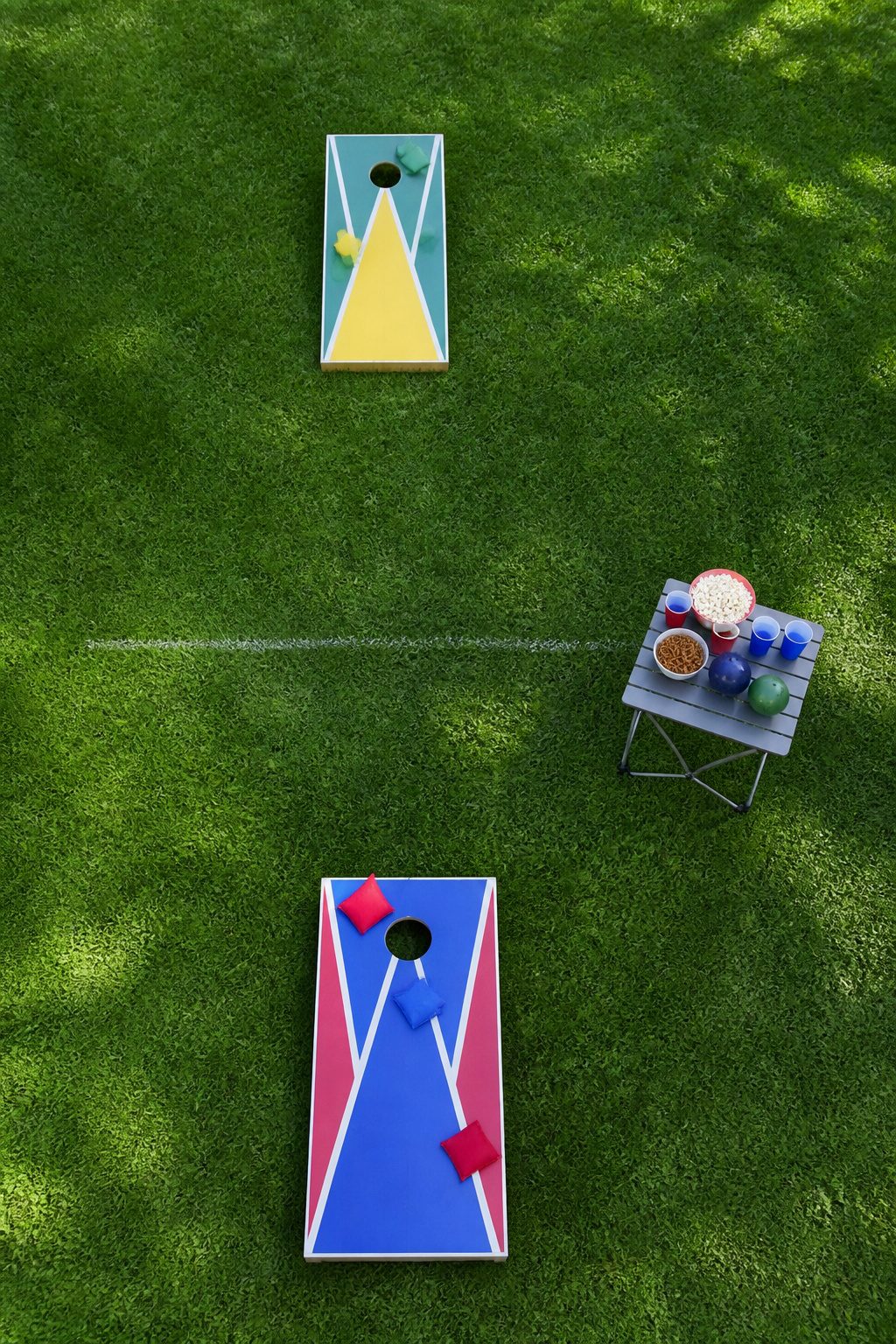
A set of cornhole boards sits on a pair of sawhorses in my garage from March to November, and that tells you everything about how lawn games actually live in a small yard.
I built the pair from a half-sheet of plywood, two-by-fours, and mailbox paint for around $35. The legs fold under so the whole thing leans against a wall without argument.
Regulation distance is 27 feet between the fronts of the boards.
We measured it once, played it twice, and now we eyeball roughly 25 feet depending on how many beers are involved. Nobody needs a tape measure to have a Saturday.
Bocce wants grass cut to about half an inch, maybe three quarters, so the ball rolls without wobbling through a footprint rut. Horseshoes are less picky; a slightly longer patch almost helps them stick where they land rather than skittering.
The mistake is the permanent pit. A coworker poured a horseshoe pad in his backyard corner and spent five years mowing around it with a string trimmer, then paid to have it jackhammered out when his kids left for college.
Movable bases or no stakes at all keep the yard flexible for the weeks when you’d rather have the space back.
11. Vertical Gardening
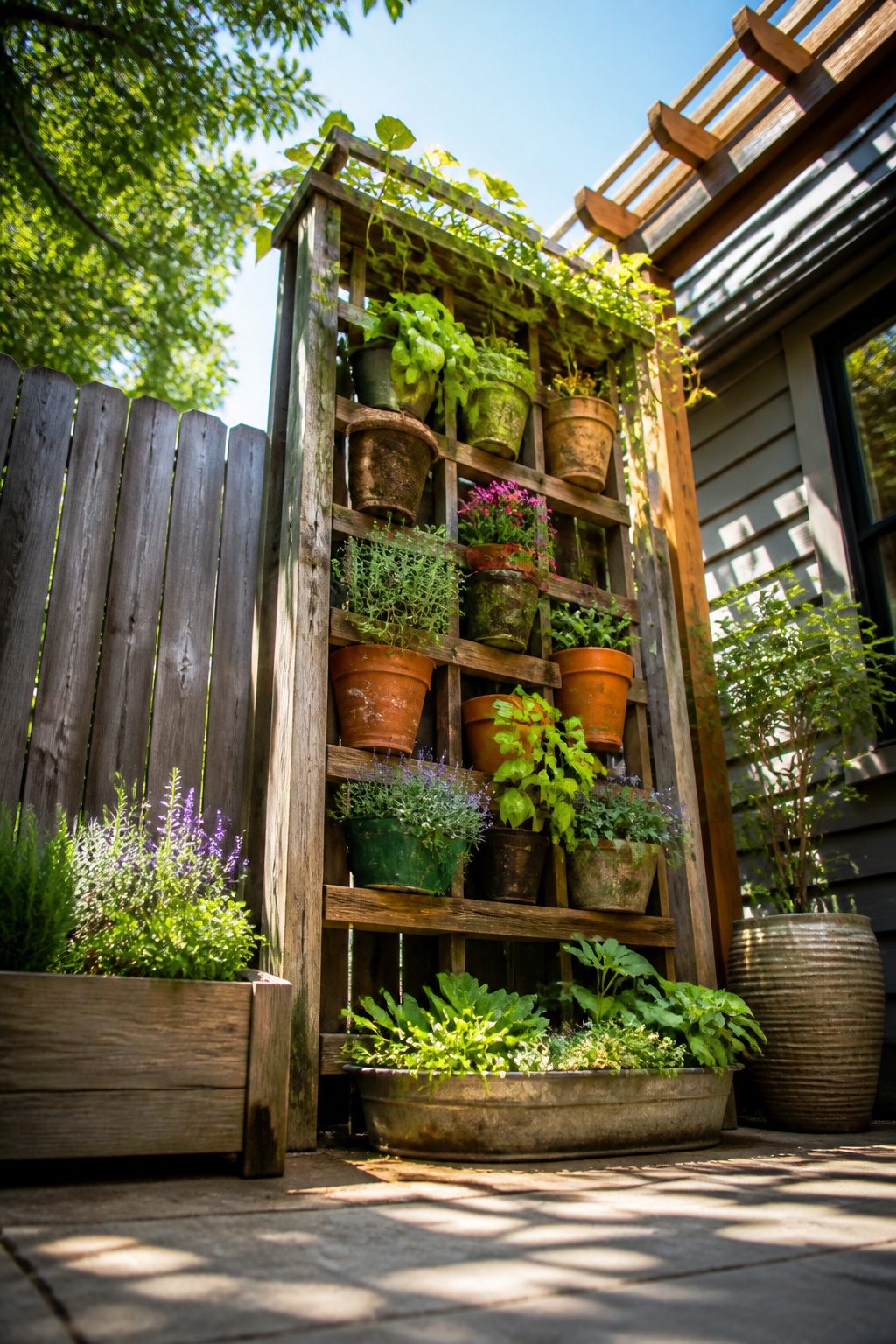
A cedar trellis screwed to the fence, a hanging shoe organizer with its pockets full of soil, a shipping pallet leaned upright with its slats opened into planting rows: each of these runs between $12 and $40 and claims a footprint of zero square feet.
That math is what draws people in. The catch arrives after planting.
Top-water systems, including most shoe organizers and pocket panels, drown tomatoes and peppers.
Their roots sit shallow, wet, anaerobic. Climbers that figure it out, morning glories and pole beans especially, send roots down through the pockets searching for drainage.
Lettuces and leafy herbs accept the damp until a July afternoon hits and they bolt straight to seed, bitter and useless.
Vertical placement compounds the problem. A south-facing fence in May is a north-facing fence by August once the sun arc shifts; what starts as eight hours of light often drops to four.
I slot cherry tomatoes into those upper pockets where they still catch afternoon rays, and keep the lower rows for nothing that fruits.
Nothing that fruits, and nothing that rots the wall behind it. Constant moisture against painted wood or vinyl siding mushrooms into mildew, softens sheathing, invites carpenter ants.
A sheet of pond liner or even heavy contractor plastic, tacked behind the soil compartment with a half-inch air gap, buys two or three seasons. Without it, "vertical garden" becomes "vertical demolition" by the second summer.
12. Fence Upgrades
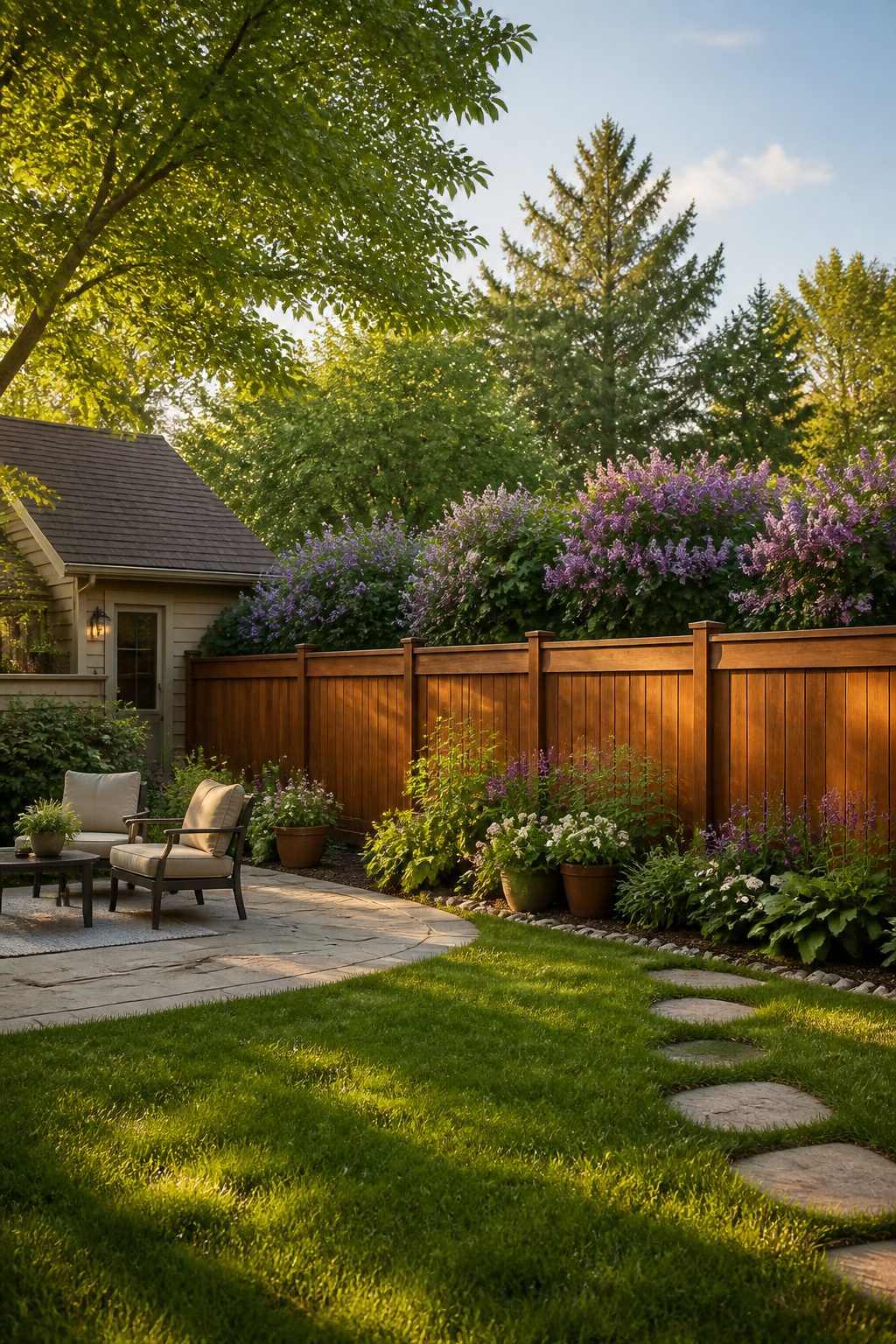
The fence on the east side of my yard turned gray two summers before I noticed it was gray, not just weathered in a rustic way.
Water had lifted the grain in long feathers, and the panels had started to wobble when the wind came through.
A replacement panel would have run about two hundred dollars, plus a Saturday to dig out the old post, reset it level, and hope the new panel matched the height of the ones beside it.
A gallon of solid-color stain cost thirty, and a pressure-washer rental added another forty for the day. The stain buys you five or six years if the prep is honest.
Hitting the wood with the washer takes longer than the staining itself: two slow passes, a full day of drying, then the roller with a brush cut in at the rails.
I chose a color called Briarwood that sits back against the lilac hedge instead of fighting it; the old panels read as texture, not as a repair job.
The real work happened over the back fence, which I share with the neighbor who parks his RV in the alley.
I waited until he was washing his truck, then walked over with two color swatches and the rental receipt already in my pocket.
Splitting the washer cost and agreeing on the same stain saved us both the eventual headache of mismatched halves; he paid for the second gallon, and we did his side the next morning before the sun came around.
Fences look like property lines, but they wear like shared walls, and starting the conversation before the first board comes up is the cheaper half of the repair.
13. DIY Projects
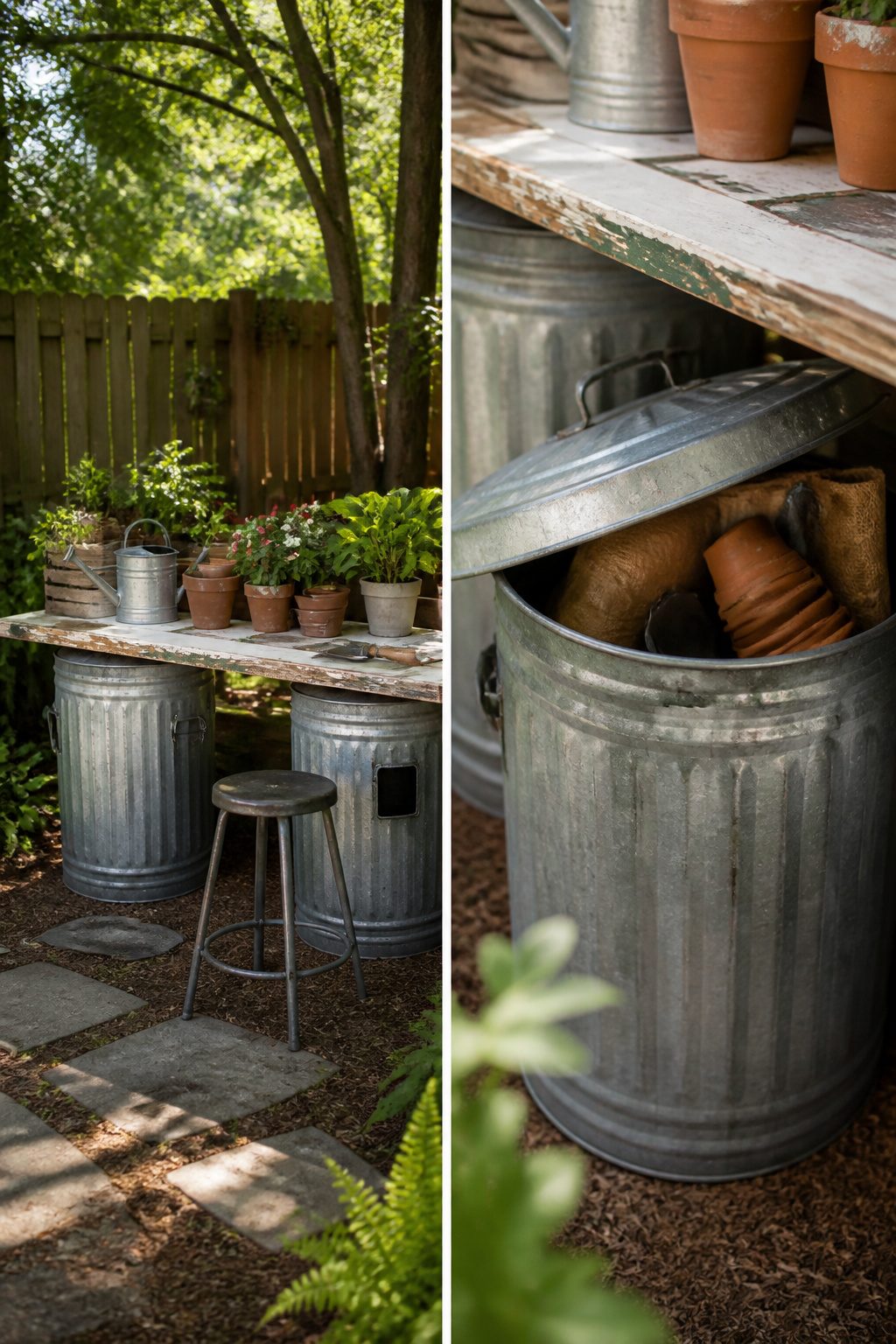
A potting station saves your back and keeps soil out of the kitchen. I built mine from a door I found in the garage and two galvanized trash cans flipped upside down for legs.
The door’s flat surface is just wide enough for a bag of potting mix, a few starter trays, and that mug of coffee that always tips over.
If you do not have a door, any old tabletop works. The trash cans add storage inside through their open bottoms.
Repurposed furniture does the same job for less. A dresser left in the rain too many times becomes a planter box after you pull the drawers and seal the cavities.
The wood will swell and check no matter what, so paint the cut ends and keep it on pavers, not bare dirt. I learned that the second summer, not the first.
The concrete stencil job costs $90 if you already own the concrete.
That figure covers the stencil itself, outdoor porch paint, and a small roller. The trick is pressure.
Too light and the pattern ghosts; too heavy and paint pools in the joints. Wait for a dry spell, because dew at 6 am ruins the edge lines before you’ve finished your coffee.
The outdoor bath is a different commitment. A used clawfoot tub runs $200, but the full project with cedar enclosure, corrugated plastic roof, and tied-in plumbing lands closer to $1,000.
The sewer hookup is where weekend timelines stretch to three. My neighbor tried the garden-hose drain first; it puddled and bred mosquitoes.
Tapping the actual sewer line saved the yard but required a plumber for the last eight feet. Fecal gravity is not a lesson you want to learn with a sawzall and optimism.
Finish everything with an oil-based porch enamel if standing water is likely, or plan to repaint in two seasons.
The latex I tried first looked fine until the second rain. Then it looked like bad soup.
What Under $100 Actually Buys
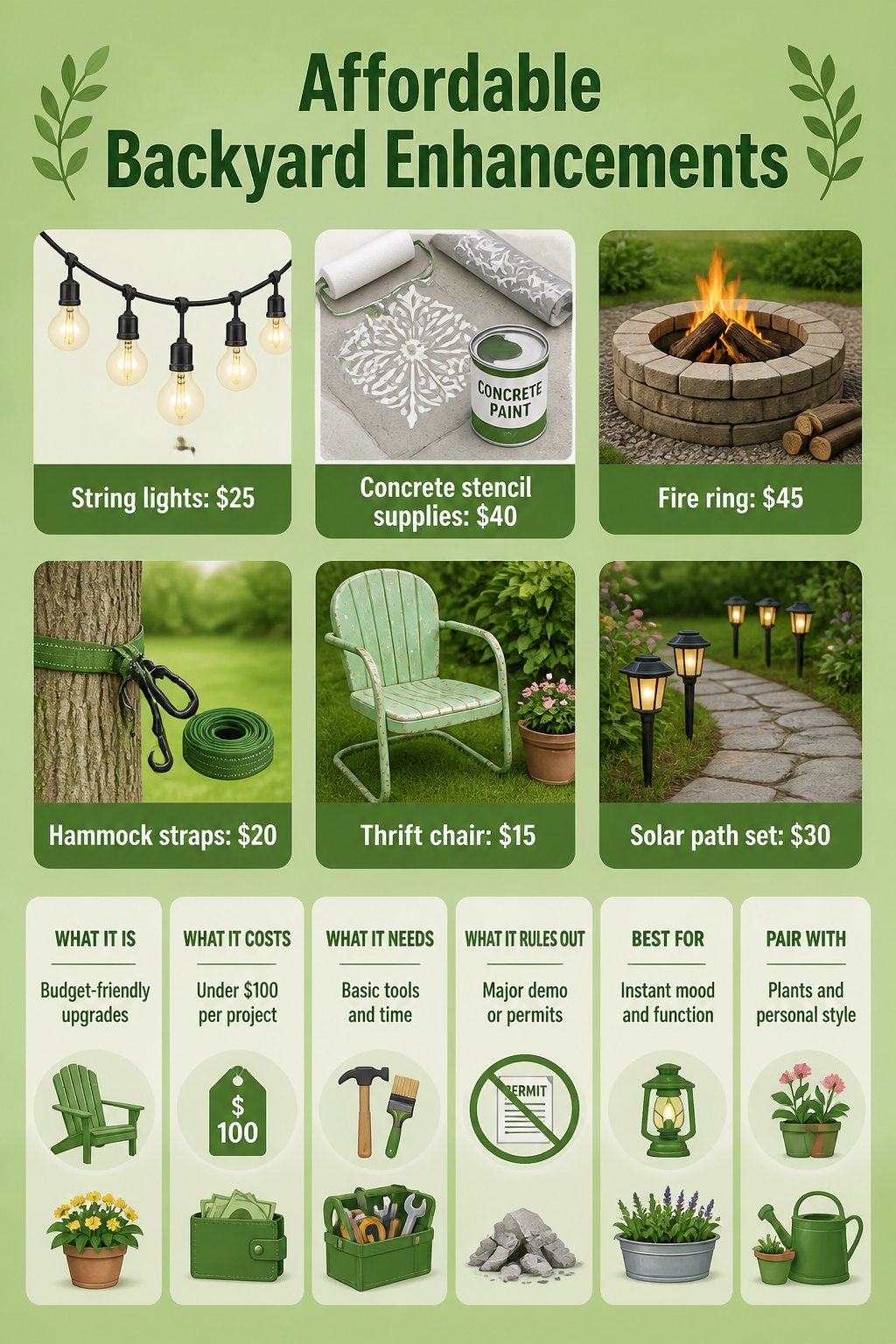
Last season I spent about $180 on impulse garden buys before I had a plan, and most of those plants fried by August.
This year I mapped every purchase against the full $500–800 garden budget first, then split off what could happen for under $100 on its own.
The table below groups the one-tier and two-tier projects. Anything here can stand alone; the trellis, fence stain, and container soil only make sense paired with climbing plants, pickets, or starts from the main budget.
| Item | Cost | Budget tier |
|---|---|---|
| String lights | $25 | Under $100 |
| Solar path set | $30 | Under $100 |
| Fire ring | $45 | Under $100 |
| Hammock straps | $20 | Under $100 |
| 5-gallon buckets + soil | $15 | Needs full budget |
| Thrift chair | $15 | Under $100 |
| Shade sail | $35 | Needs full budget |
| Birdhouse | $12 | Under $100 |
| Fountain pump | $25 | Needs full budget |
| Plywood for cornhole | $20 | Under $100 |
| Trellis | $15 | Needs full budget |
| Fence stain (per section) | $30 | Needs full budget |
| Concrete stencil supplies | $40 | Under $100 |
Strategically hung lights will add instant sparkle to your evening.
String lights at $25 are the cheapest mood shift on the list.
The concrete stenciling at $40 is the most transformational per dollar if you have a mildewed patio slab like I did; the supplies buy a pattern roll, concrete paint, and sealer enough for roughly 100 square feet.
Pair the fire ring with branches from yard trimmings and you have a gathering spot for less than a delivered pizza.
The Plants That Lived and the Ones That Did Not
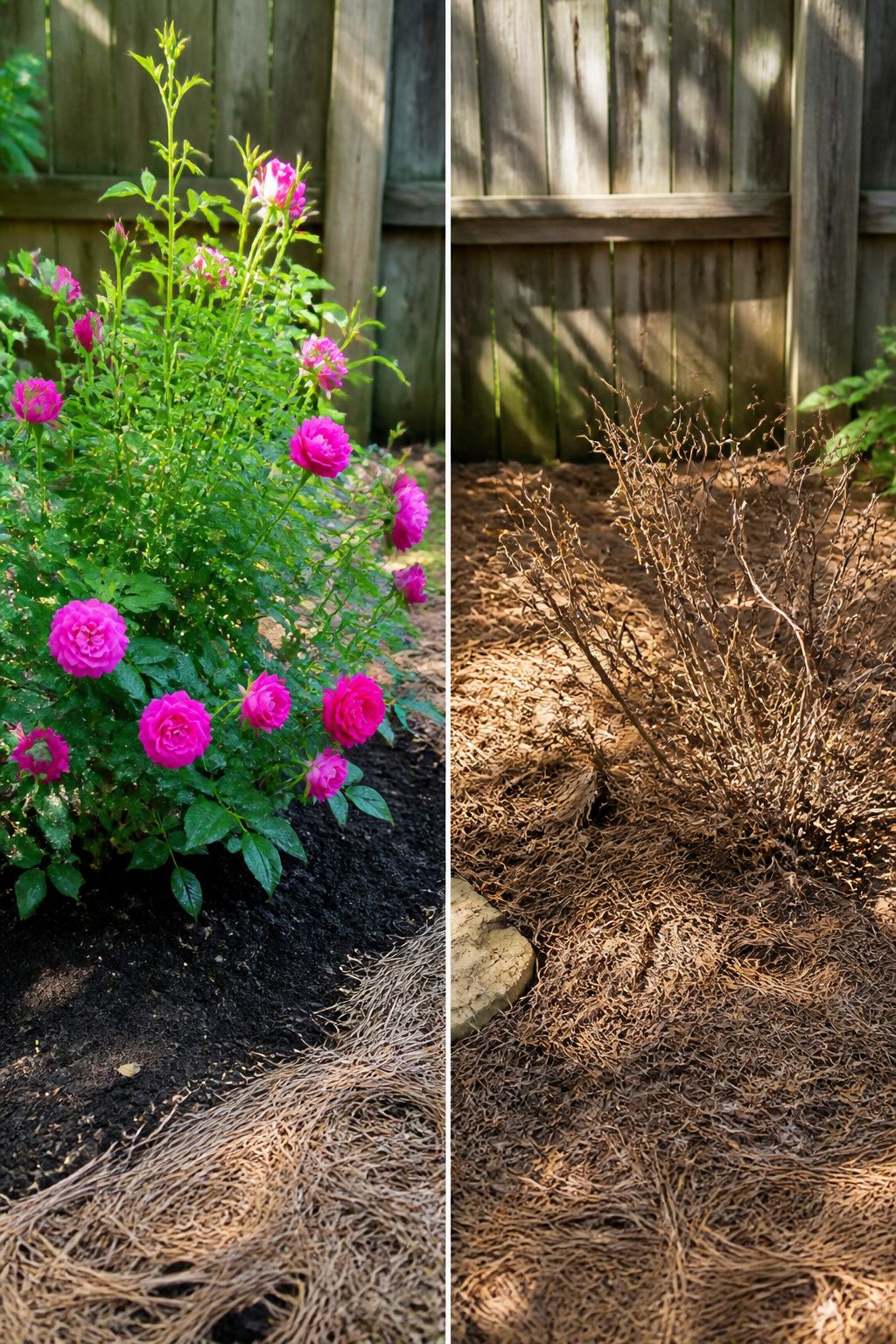
The swamp rose I put in last May is still sending out new canes, but the passionflower I bought the same morning turned to straw by July.
Both were labeled native, both came from the same nursery tray, and both cost about $12.
The difference was the hour of sun. The rose got morning light and wet feet; the passionflower got the corner that bakes from noon until six.
This is the part nobody explains well in the spring rush. Tag says "full sun" and you picture your yard at 10 a.m., not at 3 p.m. when the pavement radiates.
My $40 American wisteria, bought on sale because I felt late to the season, sat in that afternoon heat for one week before the leaves went crisp.
I moved it to dappled shade by the fence line and it sulked all summer, never leafed out properly, finally died in October. It wanted afternoon shade from the start, not my rescue attempt.
The purple Louisiana irises I planted too early made it through a late freeze only because a neighbor told me to cover them with pine straw the night before.
Check your last frost date against the soil temperature, not the calendar. The zone on the tag tells you survival; it does not tell you when to plant.
I have killed more plants by rushing the season than by picking the wrong spot, and the nursery will sell you stock in March that wants May soil without issuing a warning.
Seating That Gets Used
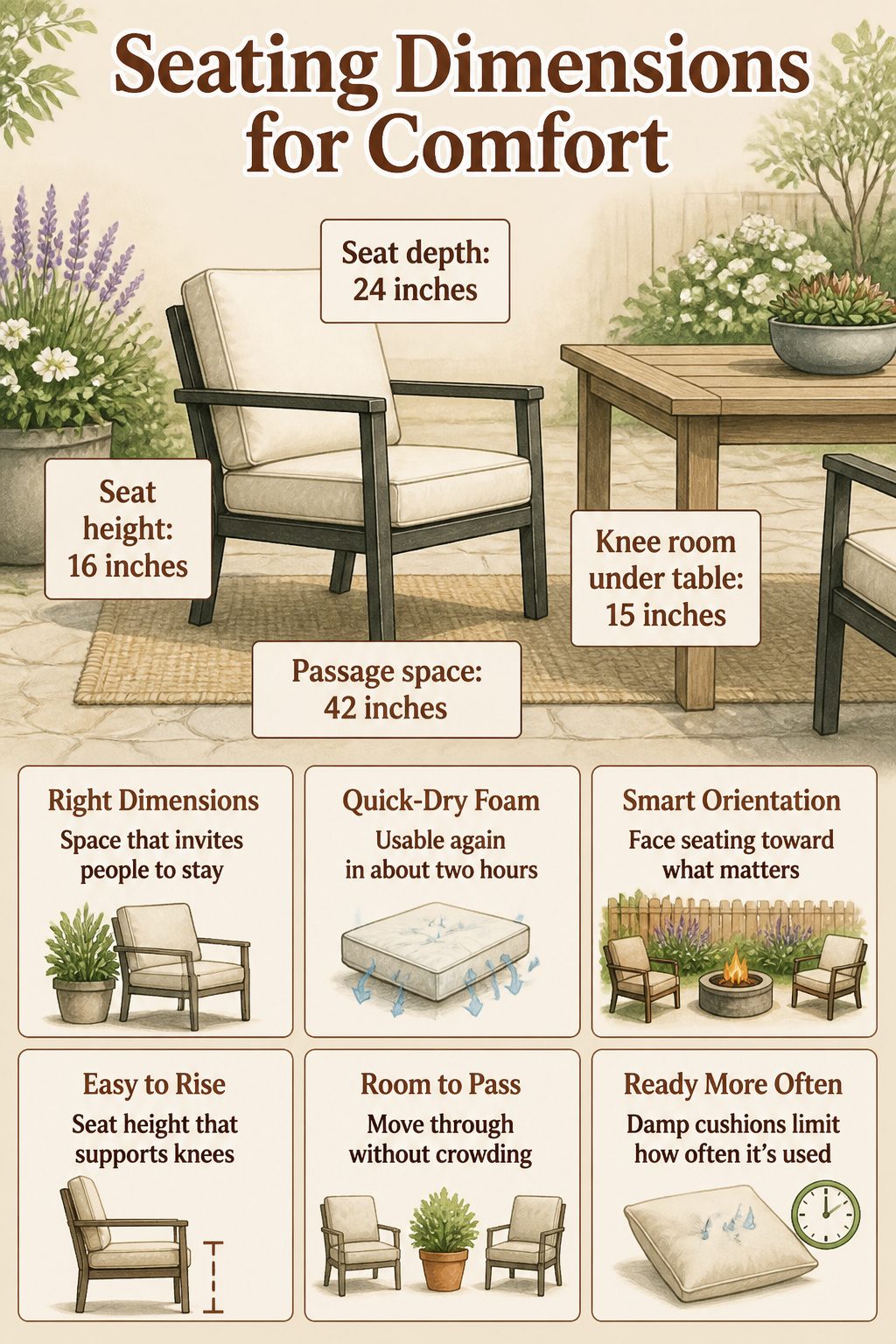
Most seating I have bought cheap ended up empty. People stand, or drift back inside, because the chair was too low to rise from gracefully or too shallow to sit back in.
A seat needs at least 24 inches of depth and a height of 16 inches for knees and hips to agree.
Leave 42 inches behind for someone to pass without everyone standing up, and 15 inches of knee room under the table edge. These numbers sound small until you measure what you own and find the gap.
I learned about foam the wet way. Standard outdoor cushion foam holds water overnight, so the next morning it is still damp and heavy.
Quick-dry foam passes water straight through and is usable again in about two hours, which means the chair gets used twice in one day instead of once.
Orientation matters more than the furniture itself.
A chair facing the blank center of a yard faces nothing; the person in it invents a reason to leave. Angle seating toward the fence line you planted, the bed of Russian sage, the fire ring, anything that rewards attention.
The garden does the entertainment then. Your job was pointing the chair.
A Saturday That Actually Happens
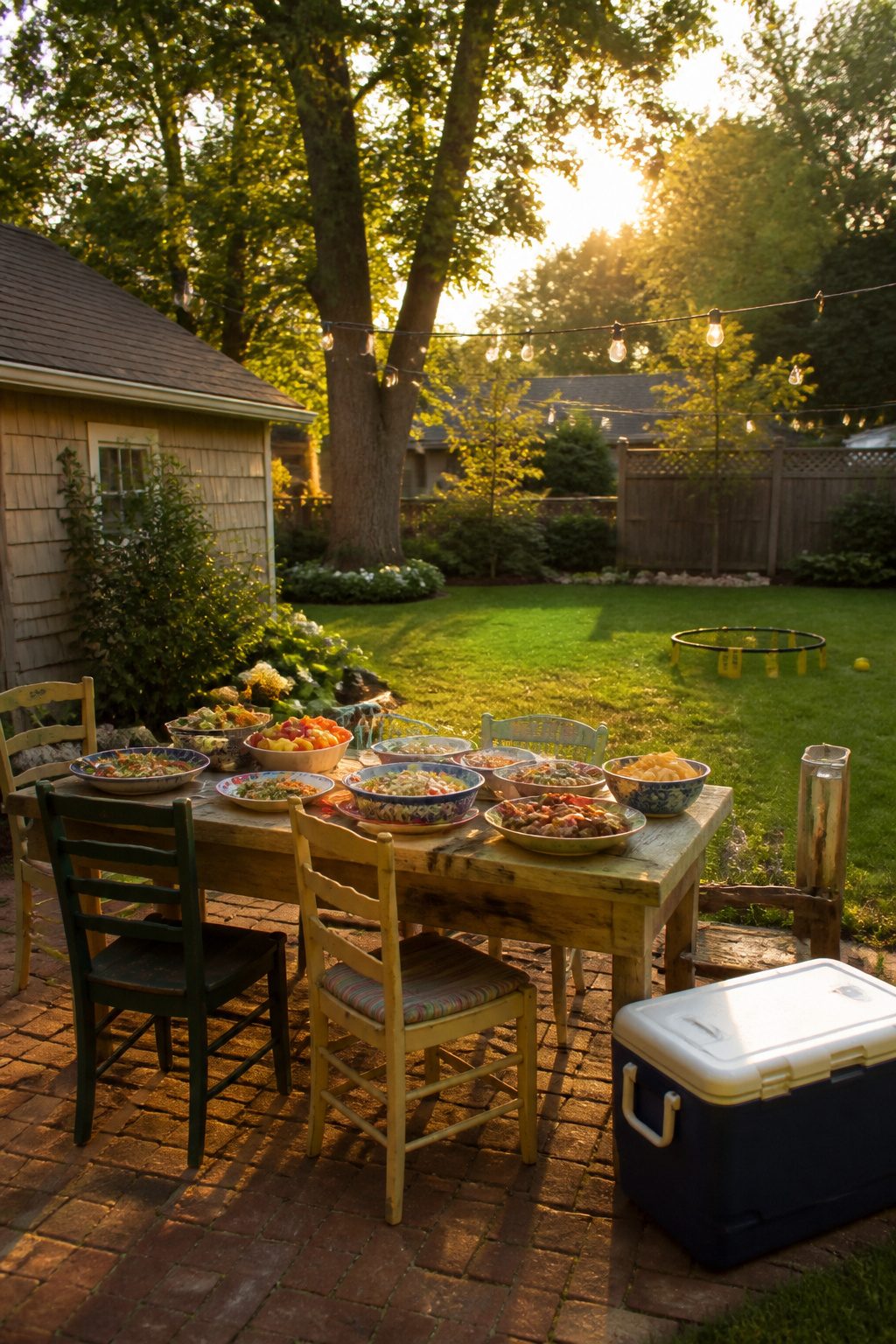
Six people is the maximum anyone wants around a 4-foot table. I learned that the summer I invited twelve and watched guests balance plates on their knees because the benches only seated four.
The right size gathering runs itself with a potluck signup that assigns categories, not dishes, so no one brings the same chips. 7 PM starts catch the long light without the heavy heat of afternoon.
Equipment-heavy games stay in the garage.
We default to a thing sources call Spike Ball, though my group just calls it the yellow net game. Two versus two, three hits per side, plenty of shouting.
No setup time, no pieces to lose in the grass. The playlist starts on one phone, plugged into an old speaker, and nobody touches it again.
Cleanup happens before full dark because mosquitoes own the yard after 8:30. Plates go in the bin, cooler goes back to the kitchen, and the table wipes down with the rag that lives under it.
What seats four should host four. Planning for twenty sounds generous until you realize fifteen of them are standing, sweating, and wondering where to put their drink.
Frequently Asked Questions
How can I make my backyard look nice?
Start with a focal point like a fire pit or conversation area, then build around it with seating arranged 6–8 feet apart for easy talking.
Add string lights overhead for evening mood, and use container gardens or a single bold decorative piece rather than cluttering the space.
What are some budget-friendly backyard ideas?
Concrete blocks and plywood make a DIY bench for about $40 before fabric, while a fire ring built from stones or brick costs under $100.
String lights at $25, solar path lighting at $15–$40, and a plywood cornhole set for $35 all shift the feel of the space without touching triple digits.
How do I create a cozy outdoor space?
Place seating 6–8 feet apart face-to-face so voices stay normal, and keep side tables within 18 inches of seat arms for drinks within reach.
Angle chairs toward something worth looking at, a fence line, fire ring, or planted bed, rather than leaving them facing empty lawn.
What plants should I use in my backyard?
Swamp rose, passionflower, American wisteria, and purple Louisiana iris handle humid Southern conditions without demanding spray schedules.
Match the plant to your actual sun hours, not the tag’s generic "full sun" label, and check last frost dates against soil temperature rather than calendar dates before planting.
What outdoor activities can I do in my backyard?
Cornhole built from a half-sheet of plywood and two-by-fours stores flat against a wall between uses, while bocce wants grass cut to half an inch for clean rolls.
Host a potluck with category assignments rather than specific dishes, and cap gatherings at six people around a 4-foot table for comfort.