

A spring bedding refresh can run from a free ten-minute mattress rotation to a full room overhaul, and the deciding factor is whether you are fixing what you sleep on or staging what you show. The mattress step is the one most guides skip; rotate head to foot every 3–6 months or you are layering new linen over a lumpy foundation that wastes both.
1. Rotate or Refresh Your Mattress
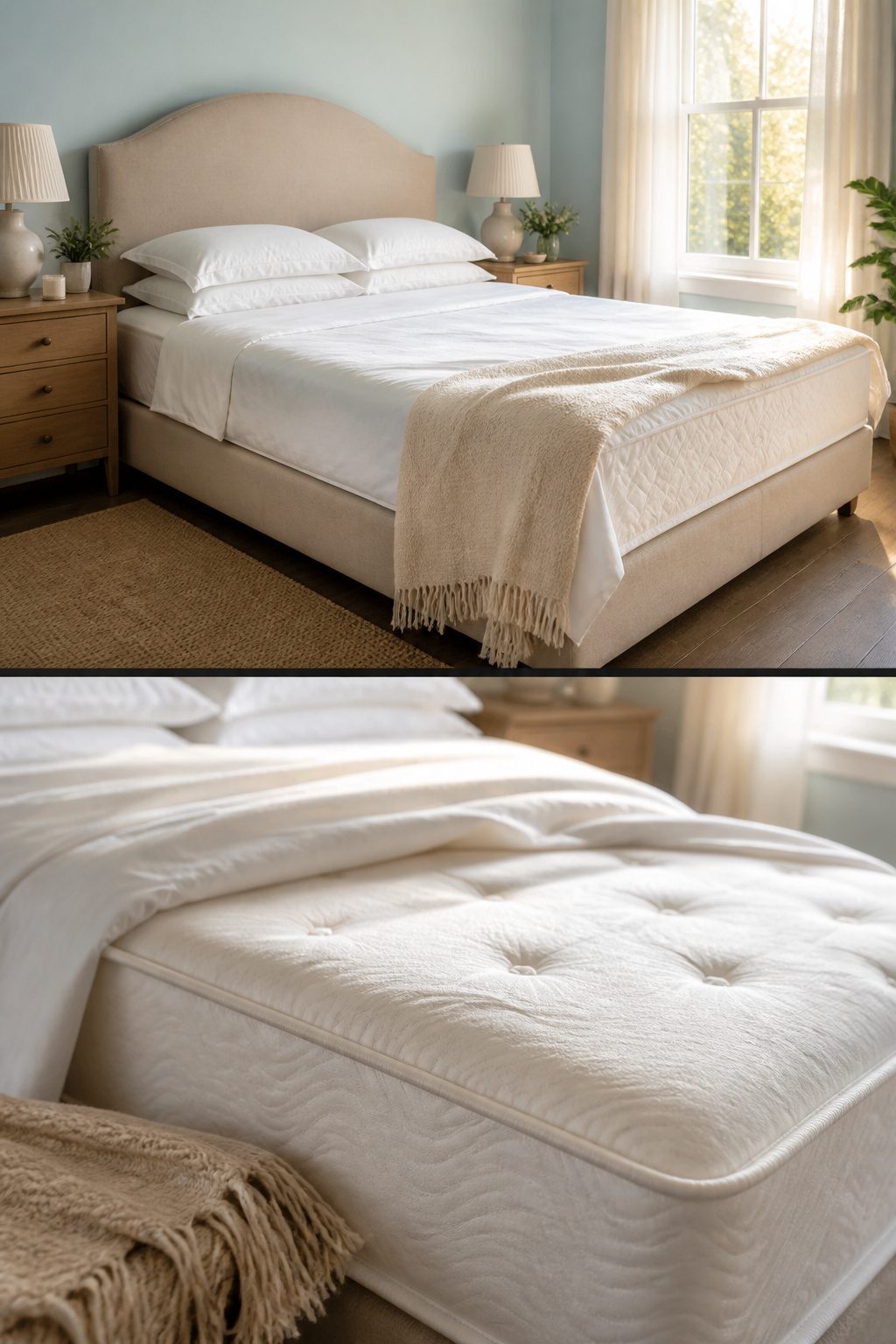
Mattresses wear unevenly whether you notice it or not, and spring is the natural checkpoint to fix that. Rotate every 3–6 months so the spots where shoulders and hips settle get a break; it buys you years before replacement becomes unavoidable. Most people skip straight to the fun stuff, the sheets and the throw pillows, but a lumpy foundation under fresh linen is a waste of money and effort.
Replacement sits at 7–10 years for most mattresses, and if yours is pushing that, rotation is a band-aid, not a cure. The cost stings, which is why stretching a still-viable mattress with a simple turn is worth the ten minutes. Head to foot, not flipping, unless you are running an older two-sided model.
I have read enough of these refresh guides to notice how fast they rush past this step. The visible layers matter, but they matter less than what is underneath them.
2. Wash Everything That Touches Skin
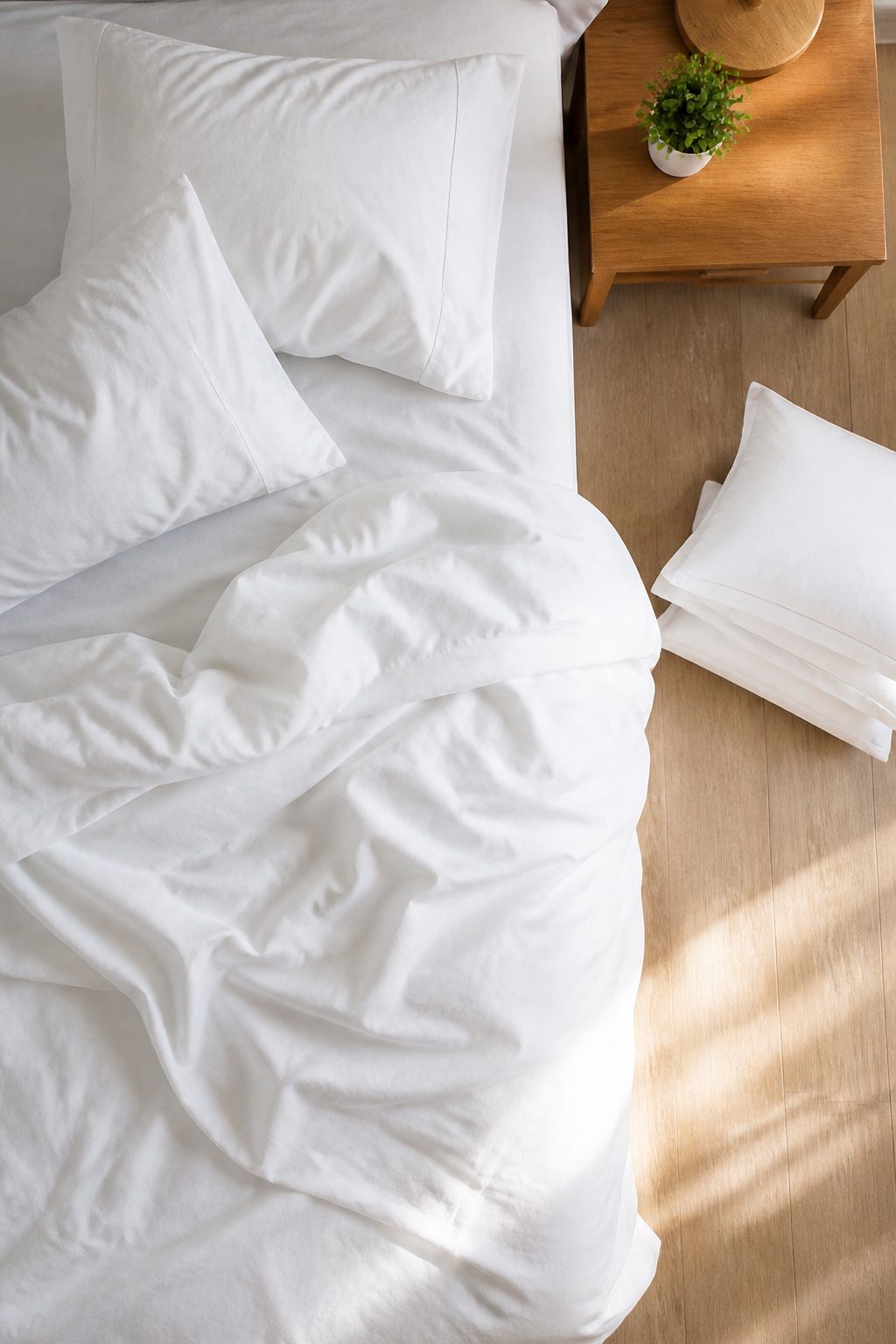
Nothing changes a bed’s feel faster than stripping it down to nothing and running every single piece that touches skin through the wash. Sheets, pillowcases, the duvet cover, shams, even the pillows themselves if the care tag allows. Mattress pads too. That fully clean-bed feeling is hard to fake.
Pillows are the part most people forget, or avoid. They collect dust, sweat, and whatever else settles in over a year of sleeping. If the filling has gone lumpy or flat, or your neck sinks through without support, the lifespan is probably up. One to two years is the usual window for replacement. The first time I saw that figure I thought it sounded aggressive. Then I flattened an old pillow in my hands and felt the clumps shift. It had been four years.
Washable pillows go on gentle cycle, always check the tag first. The ones that can’t take water get replaced sooner. Either way, this step takes the most effort of any refresh and delivers the most obvious reward.
3. Swap Heavy Winter Layers for Cotton or Linen
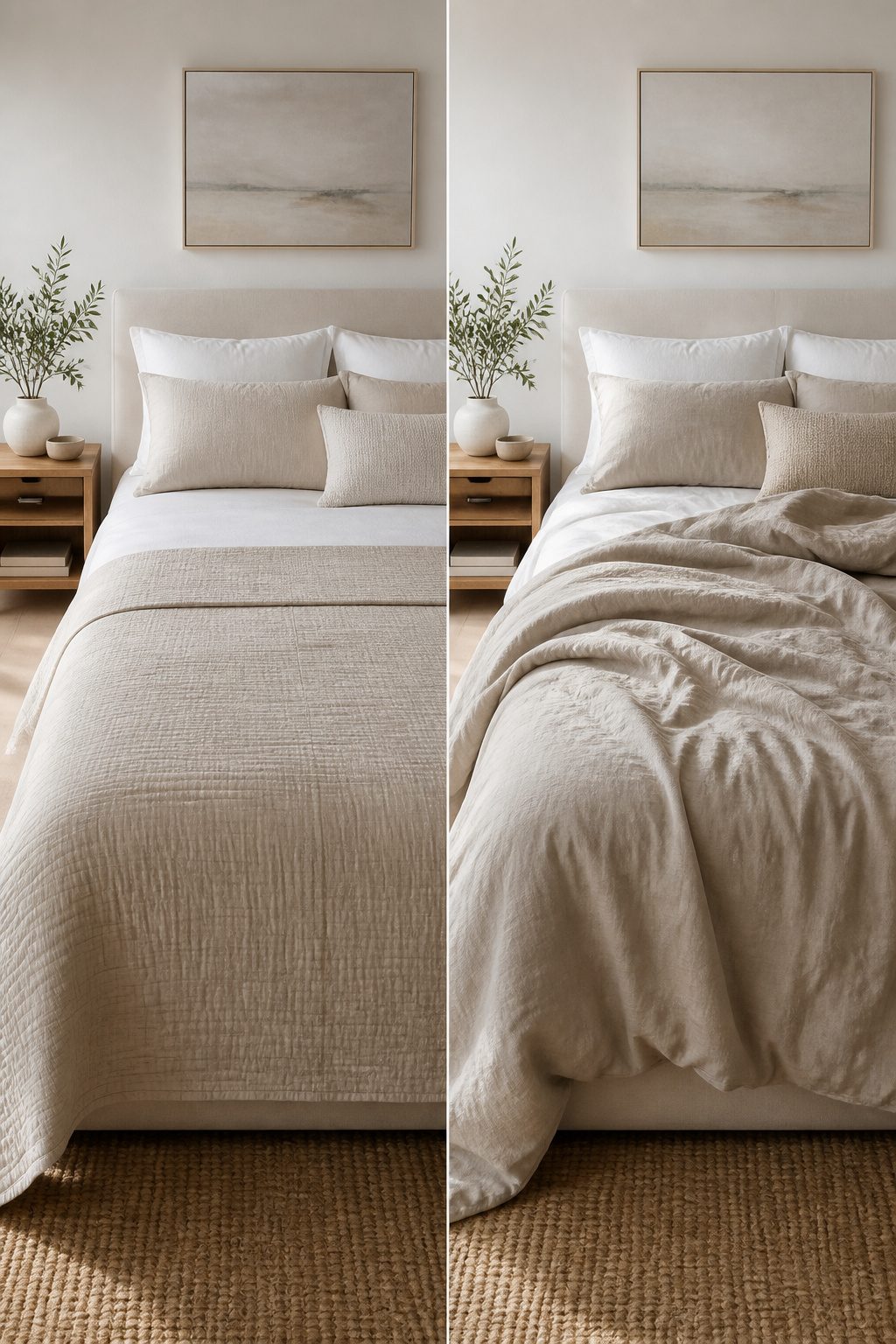
The switch from winter to spring bedding starts the moment the nights stop holding onto cold. Cotton, linen, and bamboo pull moisture away from skin instead of trapping it the way flannel and heavy down do, and that breathability gap is what wakes you up sweating in March instead of sleeping through to morning. I tend to reach for percale when I want that crisp, cool hotel-sheet feeling against my ankle, or sateen when I am after something smoother against my shoulder. Linen has more texture to it, with wrinkles that do not really iron out, which reads as relaxed rather than messy once you stop fighting them. European flax linen in particular carries that slept-in look from day one, and the temperature regulation matters when spring weather swings between 40 and 70 degrees inside of a week. Organic cotton coverlets with a ribbed weave add just enough weight for a cooler night without the bulk of a winter duvet, and they layer easily if you need to pull something on at 2 a.m. The real mistake is keeping that winter weight too long into the season; your body notices the heat before your calendar does.
4. Bring In Floral or Pastel Patterns
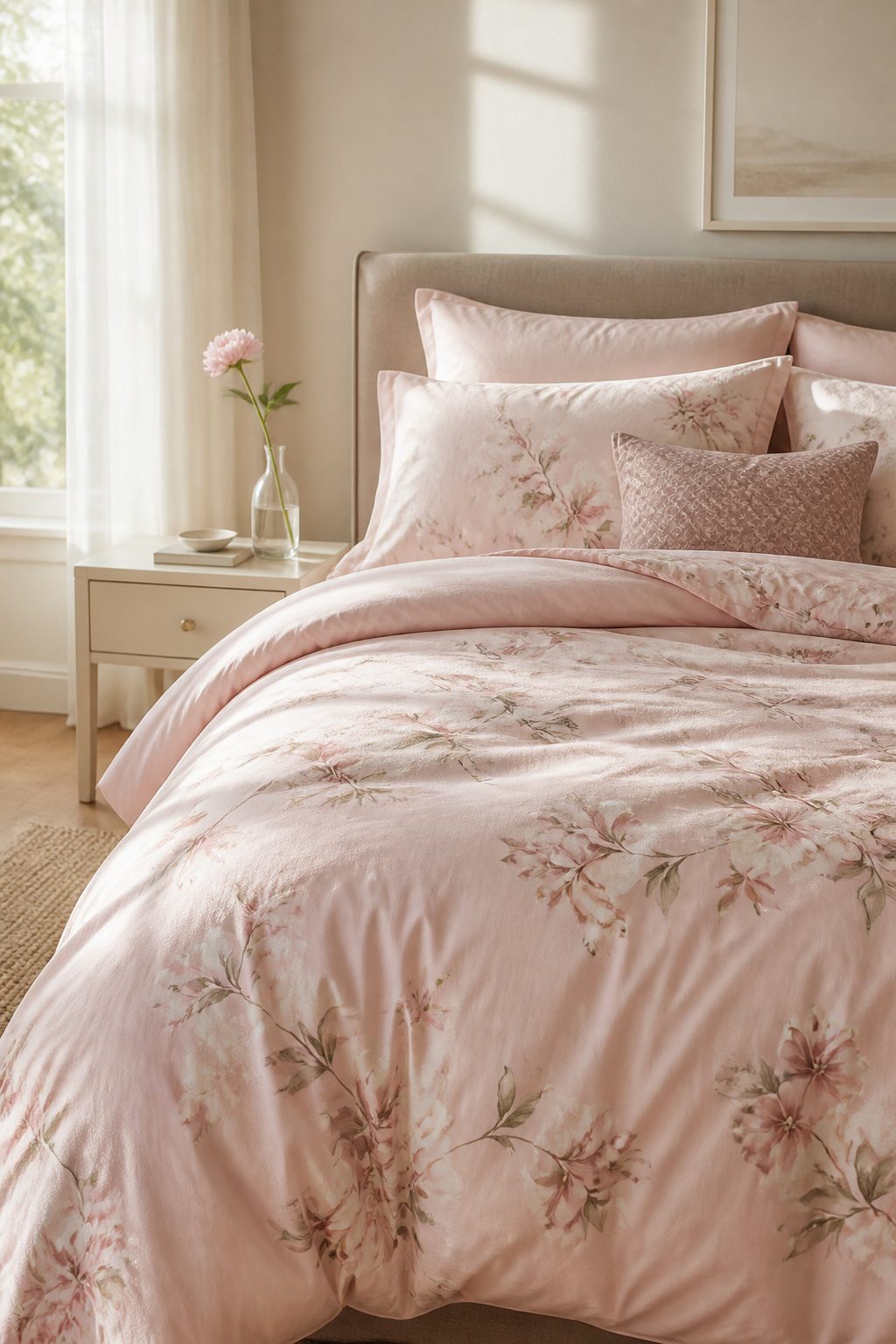
Blush pink, baby blue, mint green, and butter yellow read as spring without shouting. I have learned that the quieter the pastel, the longer it stays out of the closet. A floral print works the same way if the flowers feel like something you might actually see in a garden rather than a hotel lobby from 1987. The Lara Spa Collection in spa blue and light grey is one example of a pattern that stays calm enough to live with.
Mixing prints only works when the scales differ. A small floral against a wide stripe, or a large block print against a mini gingham, keeps the eye moving without fighting. The sources I trust on this suggest pairing your statement piece, whether it is a duvet or a set of sheets, with neutral layers underneath. That balance keeps the room from feeling like a costume.
What sits unused in my own storage tends to be the bright, saturated florals that seemed fun in March and exhausting by May. The pastels that last are the ones close to white: a pale blue that reads as clean light, a blush that warms the wall without announcing itself. If you are unsure, start with sheets or a single accent pillow and live with it through one laundry cycle before you commit to the full set.
5. Layer Textures With Throws and Extra Pillows

Throw pillows and a folded blanket at the foot of the bed are where a spring refresh lives or dies, and the mistake is treating this like a photo shoot instead of a room you actually sleep in. I keep three pillows on my side: one to sleep on, one Euro sham propped against the headboard, and a single lumbar or bolster for shape. That third piece is where I swap in linen for warmer days or a striped bolster that reads more interesting than another square. Anything beyond that stack becomes a morning restocking job, and the bed stops feeling inviting.
A lightweight quilt folded across the end adds texture without the visual weight of a winter comforter. The trick is choosing one layer that does the work, not three that compete. Three pillows and one throw is the livable limit; the styled beds with six or seven cushions look considered for exactly as long as nobody touches them. If your duvet is already doing the heavy lift, let the accents stay small and let the bed stay usable.
6. Hang Lighter Curtains for More Daylight

Heavy drapes that felt right in December start to read as a wall the moment March light angles higher. Swapping them out for something that actually lets the day through is the fastest way to make a bedroom feel seasonal without touching the bed itself.
Cotton voile or a lightweight linen in the 3–5 ounce range filters sun instead of blocking it. Sheer panels add that soft diffusion without the insulation you needed three months ago. If the room still needs privacy, a double rod lets you layer: sheers for daytime, something slightly heavier for evening.
Brass-and-glass rods keep the hardware from fighting the airy effect. The change pairs with lighter bedding so the whole room shifts together, not just one corner of it.
7. Clear Nightstands and Visible Surfaces
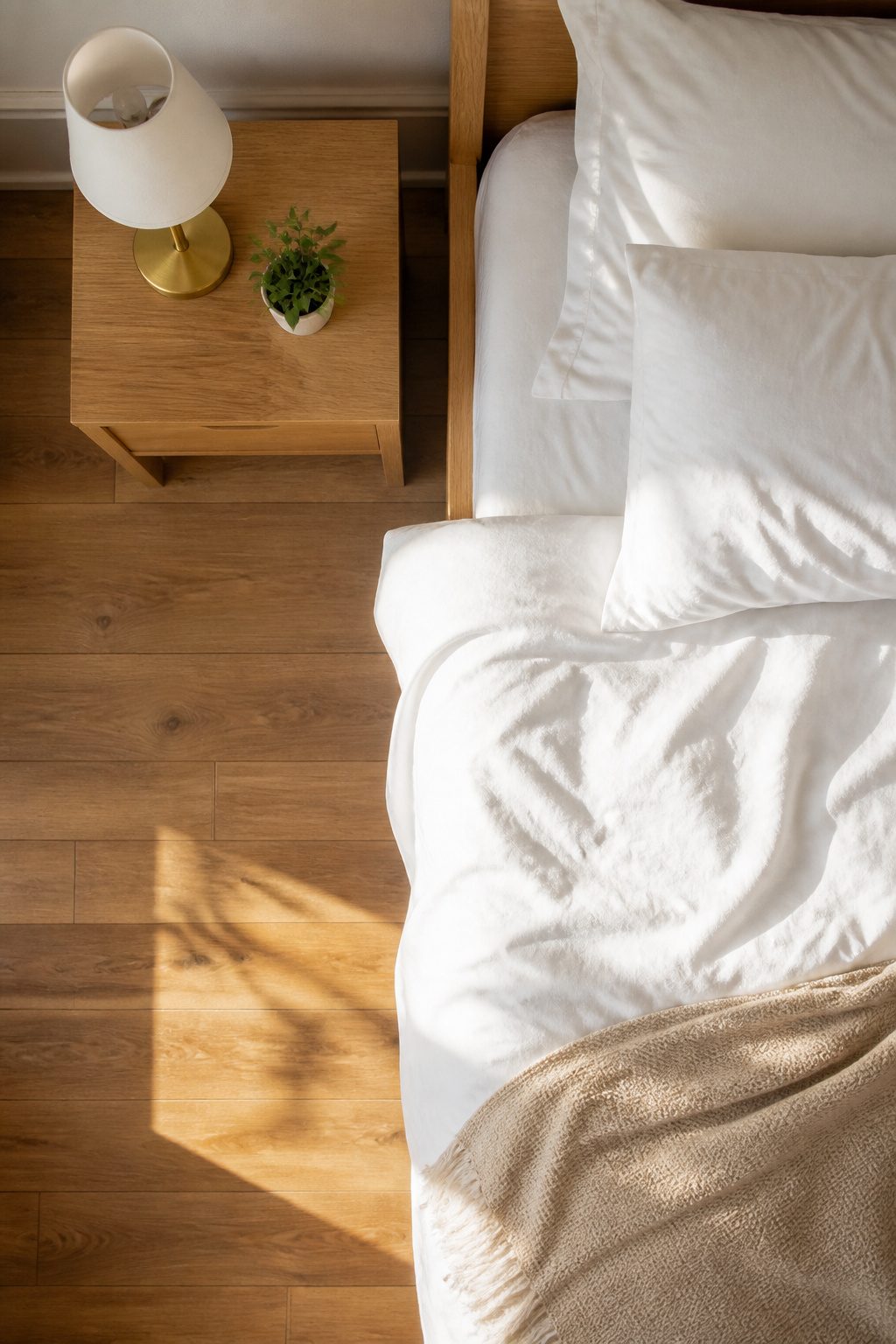
Spring bedding reads better when the surfaces around it stay open. Nightstands collect the daily drift: half-read paperbacks, chargers, yesterday’s water glass, that hand cream bought on sale and never used. The bed might be fresh, but a crowded surface beside it pulls the eye down and makes the whole room feel like a holding area instead of a rest stop.
What belongs is spare and functional. A lamp, something to read, a small tray for jewelry or glasses, maybe a diffuser if scent matters to your sleep. A plant fits if the surface has depth and the light is honest. Everything else belongs in a drawer, a closet, or gone. The change costs nothing and takes twenty minutes. What stays should earn its place by daily use, not by having landed there and stayed.
8. Paint or Swap Fixtures With Intention
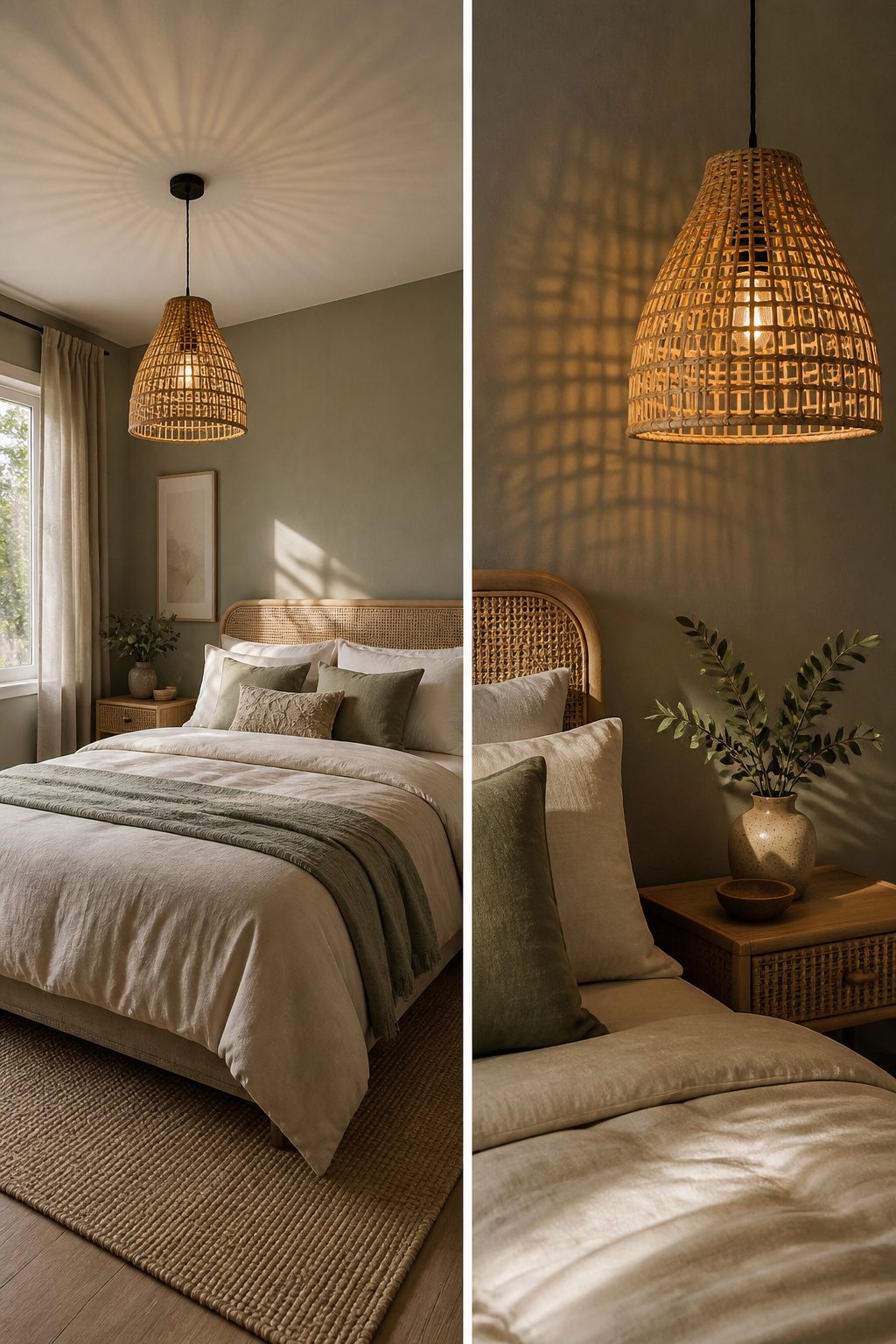
Last spring I swapped the builder-grade semi-flush mount in our bedroom for a rattan pendant I’d been eyeing since fall. The fixture itself ran about sixty dollars, and twenty more for a ceiling medallion to cover the old mounting ring. Installing it took a careful Saturday morning, mostly because I refused to call an electrician and spent an hour figuring out which breaker actually controlled that circuit. The payoff was immediate: the room felt finished in a way new sheets never quite manage alone. Light filters through the weave in the afternoon and throws patterned shadows across the wall, which reads as seasonal without being literal about it. A single fixture swap carries more visual weight than a full set of throw pillows, and it stays put year-round.
Why Lightweight Fabric Choice Matters
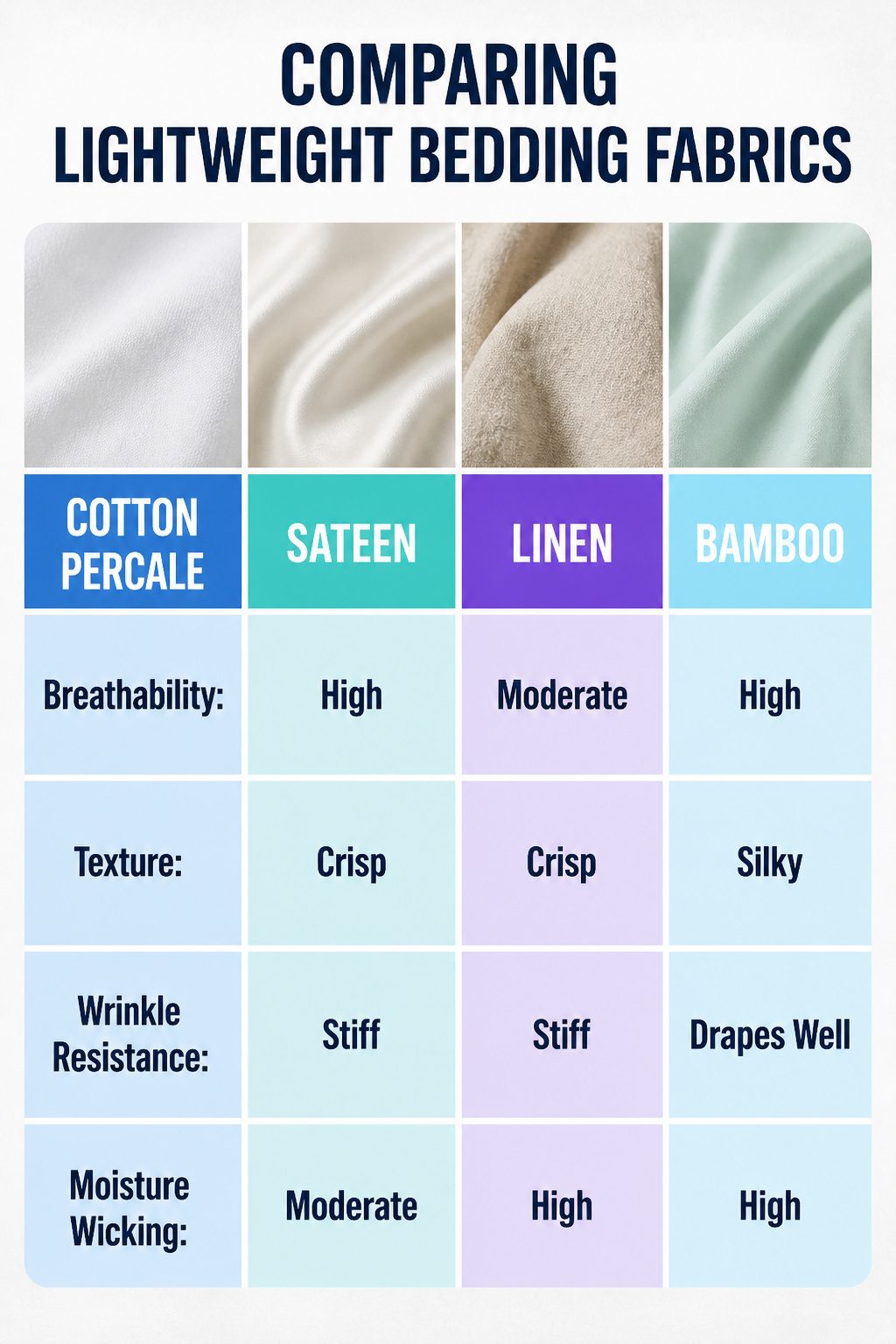
A cotton percale weave sleeps cooler than sateen because the matte, one-over-one-under structure lets air move through instead of pooling heat against your skin. Percale also starts out crisp and can feel stiff the first few washes; it softens with use but wrinkles fiercely out of the dryer and needs a ten-minute fold while warm if you want a smooth bed. Sateen drapes heavier and silkier, its four-over-one weave trapping a little more warmth, so it works better for the still-cool nights of early spring or for bedrooms that run below 65 degrees.
Linen is the fabric I reach for once nights hold steady above 60. It wicks moisture better than cotton, dries fast, and the weave is loose enough that a breeze through an open window actually reaches you. The texture is inherently slubbed and wrinkled; ironing it is futile, which is either the point or a dealbreaker. New linen can feel rough, almost canvas-like, and needs a full season of washing before it gets that hotel-lobby-in-Greece drape. Price runs higher than cotton on entry, but a good set lasts fifteen years if you avoid bleach and high-heat drying.
Bamboo, usually sold as rayon from bamboo, feels coolest to the touch of the four and wrinkles least. It drapes like a softer sateen but sleeps drier, which matters if you run warm. The fabric weakens faster than cotton or linen, though; expect pilling along hems and a shorter useful life even with gentle washing. If you share a bed with a hot sleeper and run cold yourself, the practical split is linen flat sheet and percale fitted; the top layer breathes where you need it, and the bottom stays smooth against your legs without the slip of sateen.
How I layer Without Overdoing It
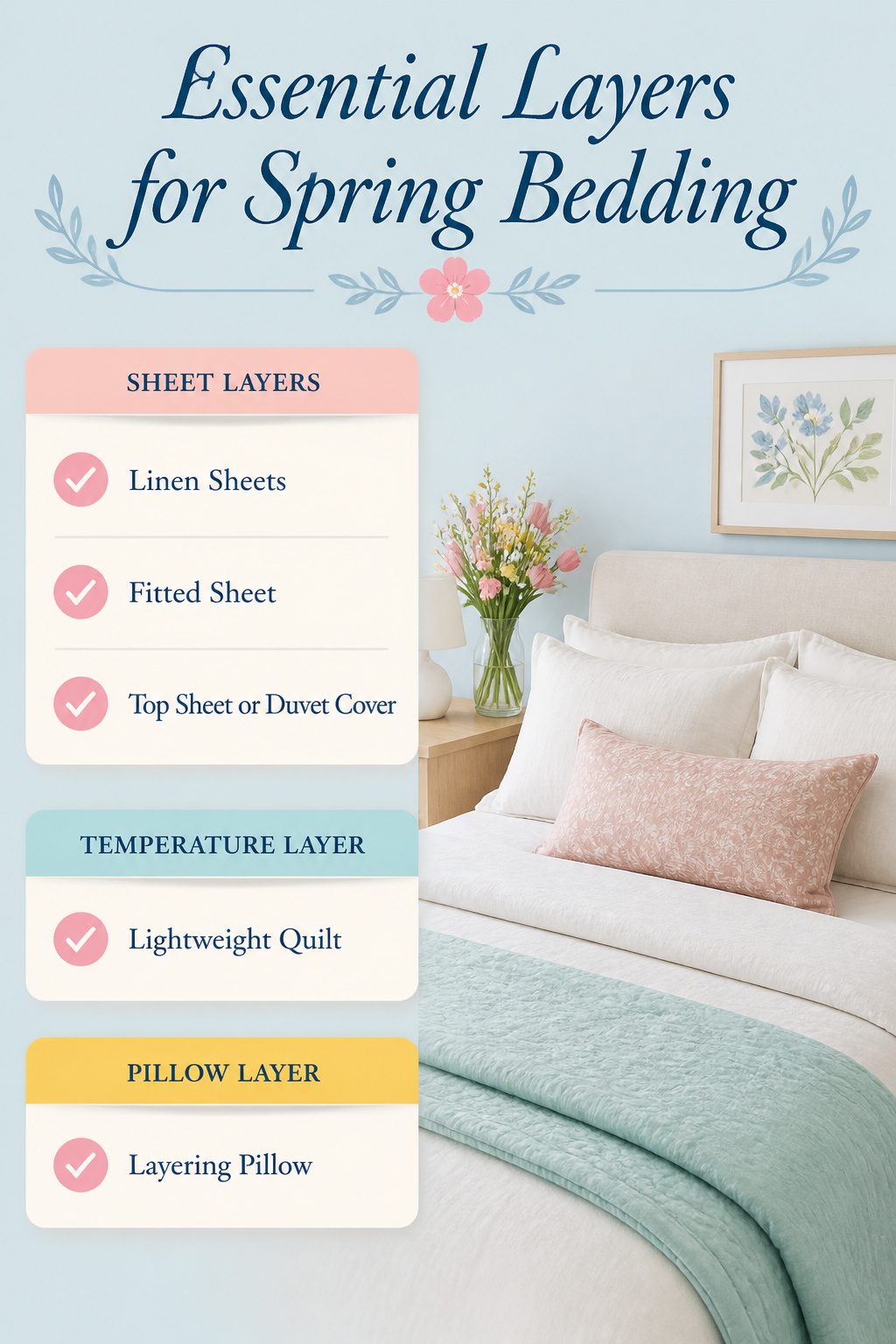
A bed built for sleeping looks different from one built for a photograph. Linen sheets with a percale or sateen weave stay cool through unpredictable spring nights, and a single lightweight quilt at the foot adds texture without the full stack some stylists expect you to wrestle each morning. Two sleeping pillows that still have structure do more for the room than a cluster of choppable accents you strip off every night.
Three live-in layers are the manageable ceiling: fitted sheet, top sheet or duvet cover, and one added piece that reads temperature and gets pulled up or folded back. Everything else lives in the linen closet until a guest weekend or a cold snap. Cotton, linen, bamboo, or Tencel breathes where winter flannel trapped heat, and the waffle or knit throw that looked dramatic across three catalogs usually ends up bunched against the wall by Wednesday.
Euro shapers and bolsters photograph well. A single lumbar that you actually rest against while reading beats four squares that visit the floor by 10 p.m. The storage question answers itself: if you touch it daily, it stays. If it rotates in for looks, it costs you a closet shelf and thirty seconds every morning.
Nautical and Geometric Alternatives to Florals
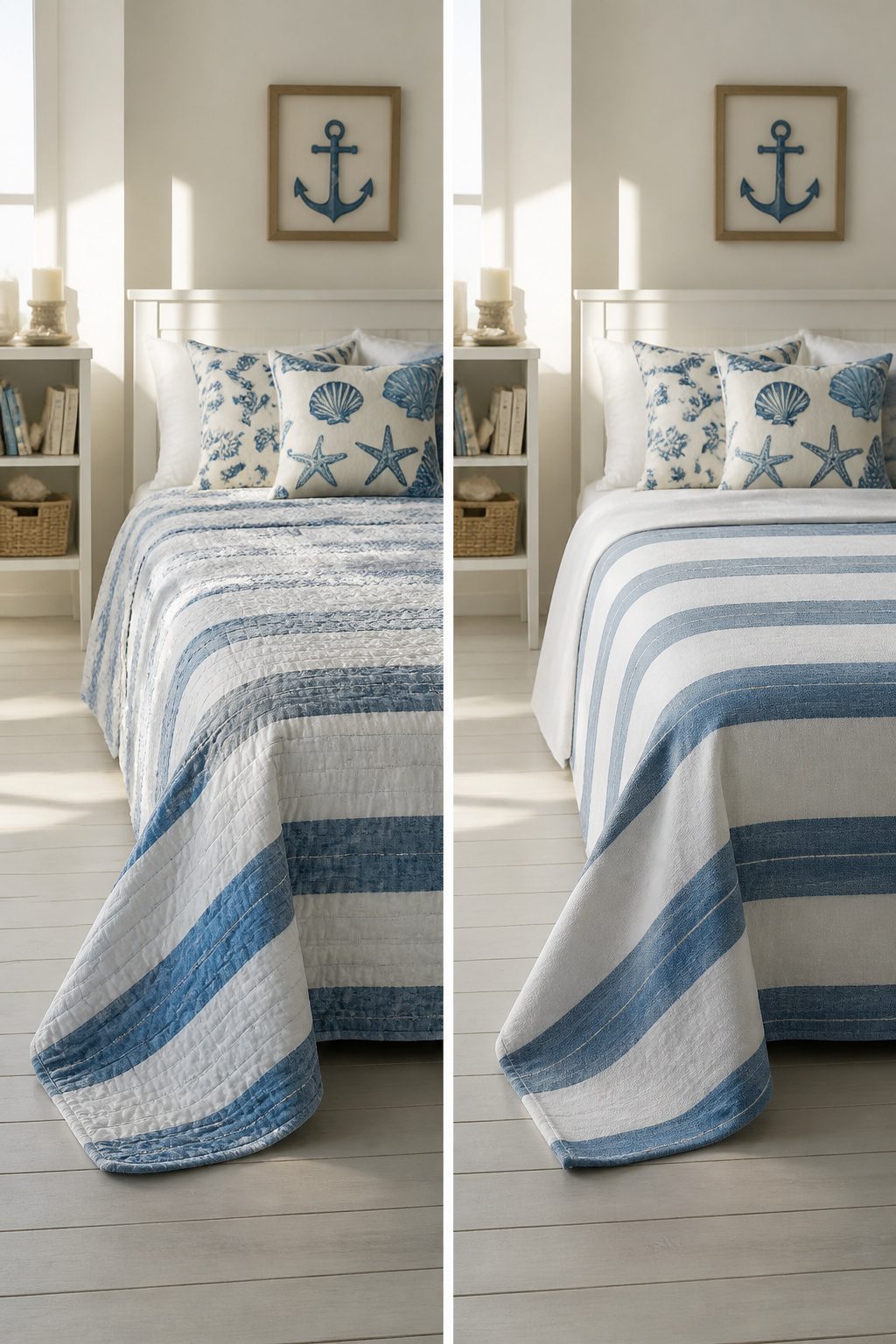
Stripes read cleaner to me than florals when the room already has a lot going on. A blue on white stripe quilt anchors the bed without fighting whatever you hang on the walls, and it shifts with seasons in a way prints do not. Pair it with ocean motif pillows in summer, swap them for rust or olive when fall arrives.
Geometric bedding lands differently. A zigzag or semicircle print in black, white, and red brings energy that can feel brisk in a small bedroom or flat-out loud if the windows are small and the walls dark. It works best where the architecture gives it breathing room, high ceilings and pale floors.
I have seen both misfire. Nautical stripes in a room with no natural light feel like a basement rec room rather than a shore house. Bold geometry over a cluttered headboard loses its shape and becomes visual noise. The move is to choose which pattern carries the room and let the rest stay quiet.
Fresh Flowers and Botanical Prints as Finishing Moves

Fresh cut peonies on my dresser last May opened like they held their breath all winter, but the stems sagged by day four and left a sticky ring on the wood. Now I keep them in the living room where I replace water daily. For the bedroom, snake plants last a month with neglect and still look architectural beside the bed. A small trailing pothos on a shelf, not the windowsill where I nearly killed one with afternoon sun, handles low light and forgives a missed watering.
Botanical prints worked better for me than I expected. A thrifted frame, mat cut from a cereal box, and a pressed fern from the yard cost under six dollars total. The fern browned after two years, so I replaced it with a print clipped from a seed catalog. Real pressed flowers in glass never last indoors; the paper versions stay crisp and catch morning light.
One living plant in the bedroom is enough. Two fought for the same limited light, and both sulked. I learned that from watching a peace lily yellow while the snake plant beside it stayed dark green, sending up new shoots like it owned the corner.
Frequently Asked Questions
What bedding is best for spring?
Cotton, linen, and bamboo are the best choices for spring because they pull moisture away from skin instead of trapping it the way winter fabrics do. Percale cotton gives that crisp, cool hotel-sheet feeling, while linen handles temperature swings between 40 and 70 degrees and carries a relaxed, slept-in look from day one. Bamboo feels coolest to the touch and wrinkles least, though it pills faster and has a shorter lifespan.
How do I refresh my bedroom for spring?
Start with your mattress: rotate it head to foot every 3–6 months, and replace it if it is past 7–10 years. Wash every piece that touches skin, including pillows if the tag allows. Swap heavy winter layers for breathable cotton or linen, bring in soft pastels or calm florals, and clear nightstands down to daily essentials. Lighter curtains, a single fixture swap, and one living plant finish the room without cluttering it.
What colors are best for spring bedding?
Blush pink, baby blue, mint green, and butter yellow read as spring without shouting, and the quieter the pastel, the longer it stays out of the closet. Floral prints work when the flowers look like something from an actual garden rather than dated hotel decor. If you are unsure, start with sheets or one accent pillow and live with it through a laundry cycle before committing to a full set.
How often should I wash my bedding?
Run every piece that touches skin through the wash during your spring refresh: sheets, pillowcases, duvet cover, shams, mattress pads, and the pillows themselves if the care tag allows. Pillows collect dust and sweat and should be replaced every one to two years; if the filling has gone lumpy or flat, or your neck sinks through without support, the lifespan is up regardless of calendar date.